


Key takeaways
- A lead magnet is a free resource offered in exchange for contact information to grow email lists and improve conversions.
- Pros of lead magnets include continuous list growth, improved conversions, segmentation, and brand authority.
- Cons include time-consuming production, potential for attracting irrelevant leads, need for nurturing sequences, and regular updates.
- Examples of lead magnets include e-books, checklists, templates, webinars, quizzes, free trials, tools, discounts, infographics, contests, and case studies.
Digital marketing is closely tied to people, so it borrows many tactics from psychology. Want to know what’s a marketing equivalent to a carrot on the end of the stick? It’s called a lead magnet.
What is a lead magnet? It’s an effective top-of-the-funnel strategy that helps you get your prospects’ contact information and add them to your email list for further targeting. In this article, we’ll explain the gist of lead magnets, provide examples, and give you a step-by-step guide on how you can create one.
TL;DR
Lead magnet = a free resource (like an e-book, guide, checklist, trial, or tool) offered in exchange for contact information. It’s a top-of-the-funnel strategy that grows your email list and feeds your automation sequences.
Pros: Builds your list continuously, improves conversions, enables segmentation, strengthens brand authority.
Cons: Time-consuming to produce, may attract irrelevant leads, needs nurturing sequences and regular updates.
A good lead magnet is immediately valuable, targeted to a specific audience, complements your paid offer, high quality and easy to access.
Examples include e-books, checklists, templates, webinars, quizzes, free trials, tools, discounts, infographics, contests and case studies.
What is a lead magnet?
A lead magnet is something free (like a product demo, a PDF, an e-book, or other content) that prospects get for sharing their email address or other contact information.
Lead magnets are an effective customer acquisition strategy that allows you to build an email list. When users fill in their information, they receive what they were promised in their inboxes, while the company adds their email addresses to the subscriber base. After that, marketers can send follow-up emails. For example, a lead magnet can start its own drip email sequence to nurture leads and drive them closer to conversion.
This marketing tactic is used across industries: software companies can offer a free trial as their lead magnet, while DTC brands can give samples. Free content or product is a good incentive for lead generation as it reduces friction and makes it easier for potential customers to share their contact information.

Pros and cons of using lead magnets
Let’s get more nuanced and look at the advantages and disadvantages of lead magnets. Check these out to understand whether this marketing strategy is right for your business.
Pros
Lead magnets are a staple, and here is why:
- Lead magnets help you grow your email list over time and continuously attract prospects. You can make a webinar recording once, and thanks to marketing automation, it will bring you new contacts months after publication, no additional work needed.
- They encourage conversion. Per the latest data, the lead-to-conversion rate of lead magnets is up to 1.60%. Plus, email marketing continues to be one of the most effective channels for conversion, showing better results than LinkedIn, Meta and Google ads, and SEO.
- Lead magnets ease segmentation. You can ask new leads to fill in their industries or positions and then use this information to divide your target audience into groups for a more relevant and personalized outreach. Alternatively, you can prepare different types of lead magnets for different lead segments.
- Lead magnets grow your business’s expertise in the industry. With well-made content like a research or a guide, you can make your brand image more authoritative and trustworthy.
Cons
As with anything, lead magnets also have their drawbacks:
- Lead magnets are time- and resource-consuming to produce. Dedicating days, if not months, to creating an e-book might be too expensive or ineffective in your case. If you’re managing email marketing for a small business on a tight budget, lead magnets might not be the best choice.
- They may bring in irrelevant contacts. Free content might end up attracting people who won’t ever become your customers or generate a bunch of opt-ins with temporary email addresses. To mitigate the risks, validate your database and clean it up regularly.
- Lead magnets don’t work on their own. This is no magic trick — you’ll have to create strong nurturing sequences to make sure your newly obtained leads end up becoming paying customers.
- They require updates and maintenance. Earlier, we mentioned that lead magnets continue to bring value, and that is true. Maybe there’s new data you need to add to your e-book, maybe you need to polish your automation scenarios, using the latest AI in email marketing tools. To perform best, your lead magnets need to be regularly checked and improved.
Whether to invest in lead magnets or not is a choice each marketing strategist needs to make on their own. To help you make a decision, we suggest using Selzy’s free customer acquisition cost (CAC) and return on investment (ROI) calculators.
What makes a good lead magnet?
Lead magnets require preparation both from the content side and from the email marketing management side. However, if your lead magnet doesn’t follow best practices, all of your efforts can go to waste.
Let’s examine what separates a good lead magnet from a bad one.
Provides immediate value
Make sure your lead magnet is relevant to your audience and responds to the wants and needs of your leads. If you are into real estate email marketing, one of the lead magnet examples could be a checklist of the steps a homeowner needs to take before contacting an agent. This resource is useful for the prospects and provides value.
A good lead magnet should also be immediately accessible. As soon as your prospective customer shares their information, they should get what they bargained for, be it an email with a guide, a discount code, or something else. If a lead has to wait, they might get irritated and think negatively of your company. While if this first experience is positive, the person may be easier to persuade when it comes to purchasing our product.
Targets a specific audience
Despite your desire to reach as many prospective customers as possible, your lead magnet shouldn’t be too broad lest it lose its effect. Think clearly of who you want to target and make sure everything, from the lead magnet to the landing page copy and follow-up emails, is specific to them and personalized.
Mention the role, requests, and pain points of those you want to target. For example, if your email marketing agency wants to target solopreneurs, write about the issues they face when it comes to email campaigns, like a lack of time and resources or the complexities of the platforms.
Compliments the paid offer
Remember that the main goal of the lead magnet is to serve as the top of the funnel stage that then leads to conversion. With that, make sure that it makes sense with your products. For physical products, give enough of a taste that it leaves your customers wanting more. For example, a DTC beauty brand might be giving off small product samples that are good for 1-2 uses.
For digital products, show expertise and credibility but highlight the need for your services. For example, if you’re doing marketing for an AI agent and offer a list of prompts as a lead magnet, emphasize how good the output for these is in your product and show concrete examples.
Is of high quality
Your lead magnet is likely one of the first encounters with your brand, and this initial impression should be impeccable. If you are giving away content, it should be original, expertly made, and fresh. If you’re offering a free product, it should show your brand in the best possible light. And when it comes to trials, offer just enough features that make it usable for the prospect.
Quick and easy to use
A good customer experience is key to a lasting relationship with the lead. The whole process of getting a lead magnet should be smooth and effortless. Make sure the content format is popular and accessible, and that it’s easy to start benefiting from your free trial offer.

11+ effective lead magnet examples and ideas
Let’s take a look at some of the lead magnet examples from various industries. These can serve as inspiration for your content and for the ways other businesses use this tactic to attract leads.
-
Guides or e-books
Content marketing staples, e-books and guides are one of the most popular lead magnet strategies. From software companies to consultants and agents, they are used everywhere.
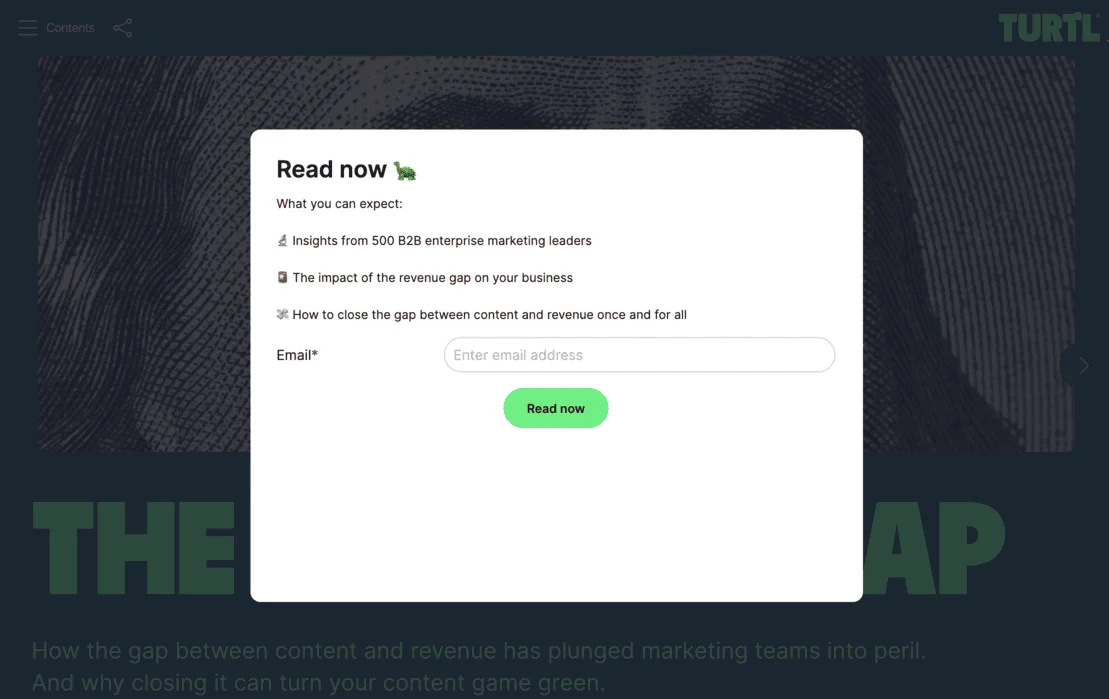
Here’s a pop-up form from Turtl promoting a guide on how to close the revenue gap. The form highlights the main attention-worthy components of the content to sell the offer.
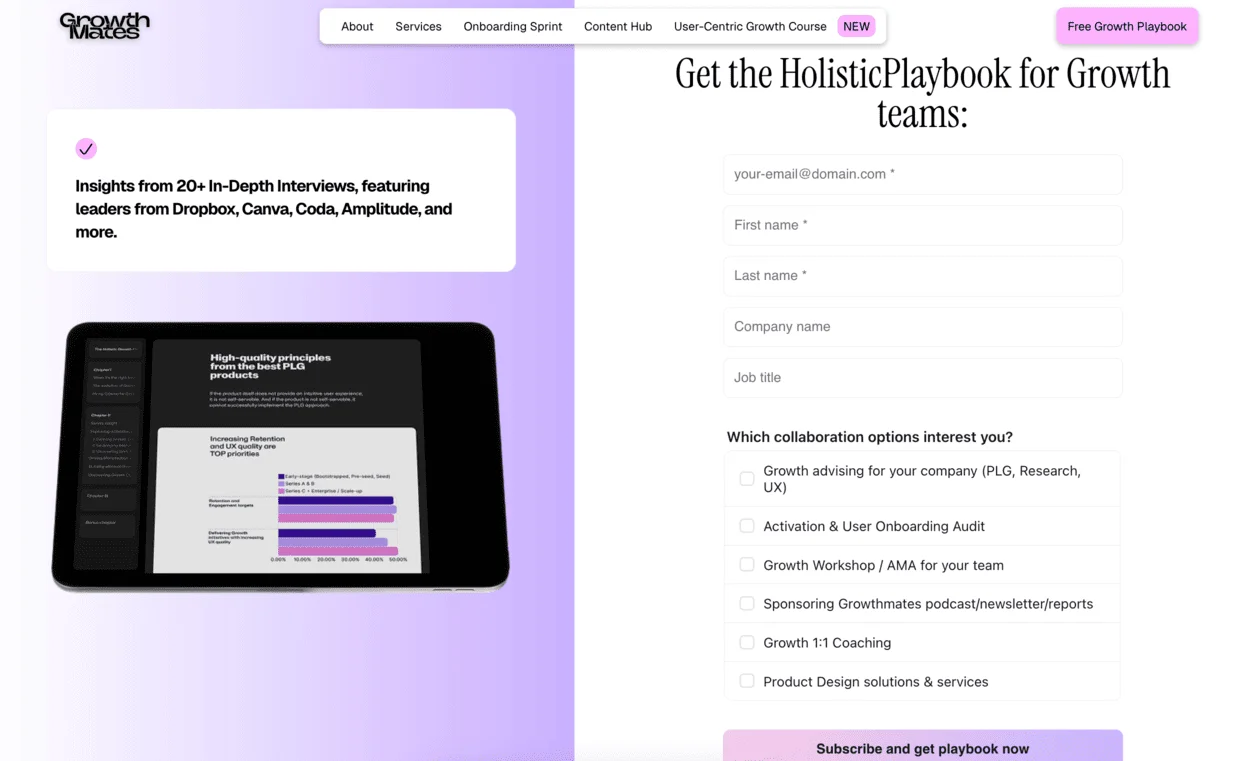
E-books are also very popular, and you’ve probably seen them on your competitors’ websites. To stand out, you can name it something different. Here’s an example from Growthmates — their free content is called a “playbook.”
-
Cheat sheets or checklists
This is one of the more exciting lead magnet ideas that is also universally relevant. Relative to other options on this list, checklists and cheat sheets are also easier to create. Plus, they can potentially be shared, spreading the word about your company and services.
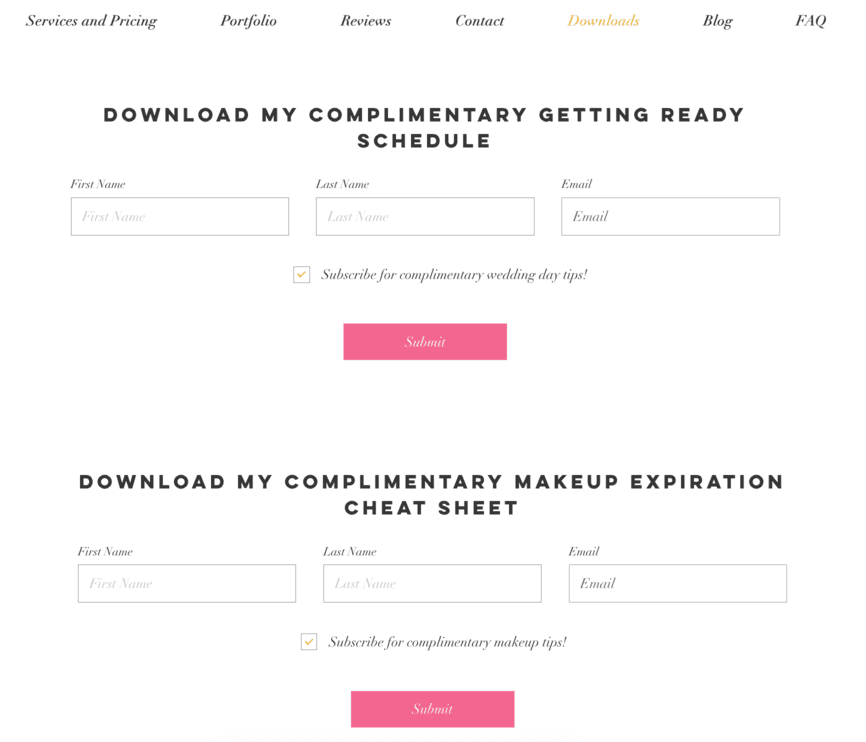
Here’s a simple landing page on a makeup artist’s website with two offerings — a cheat sheet and a schedule:
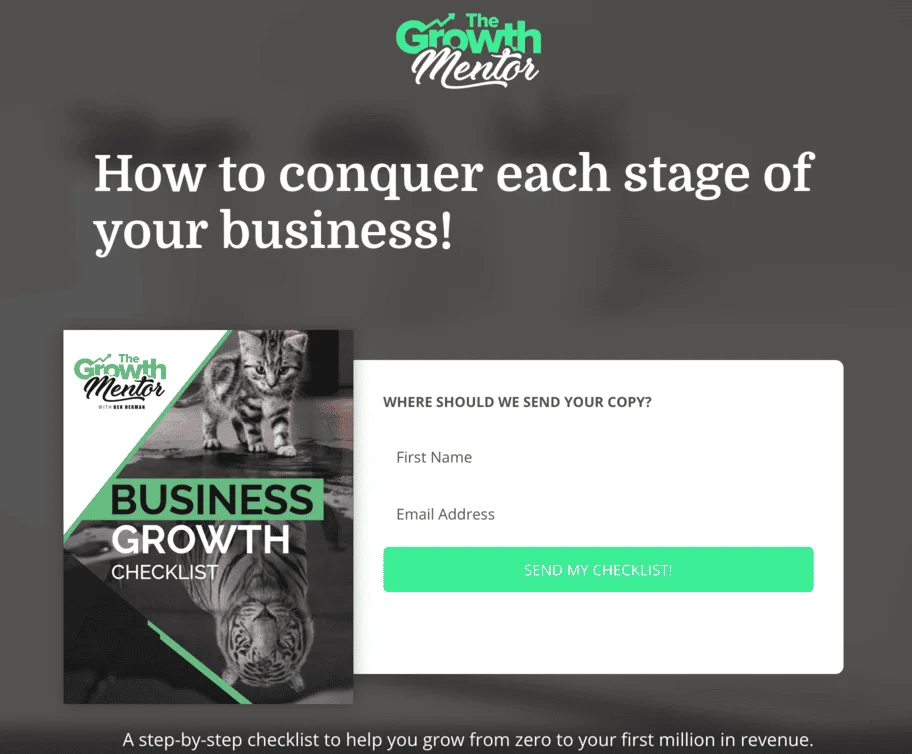
Checklists are another great option, popular beyond the software industry. Here’s a simple example:
-
Templates
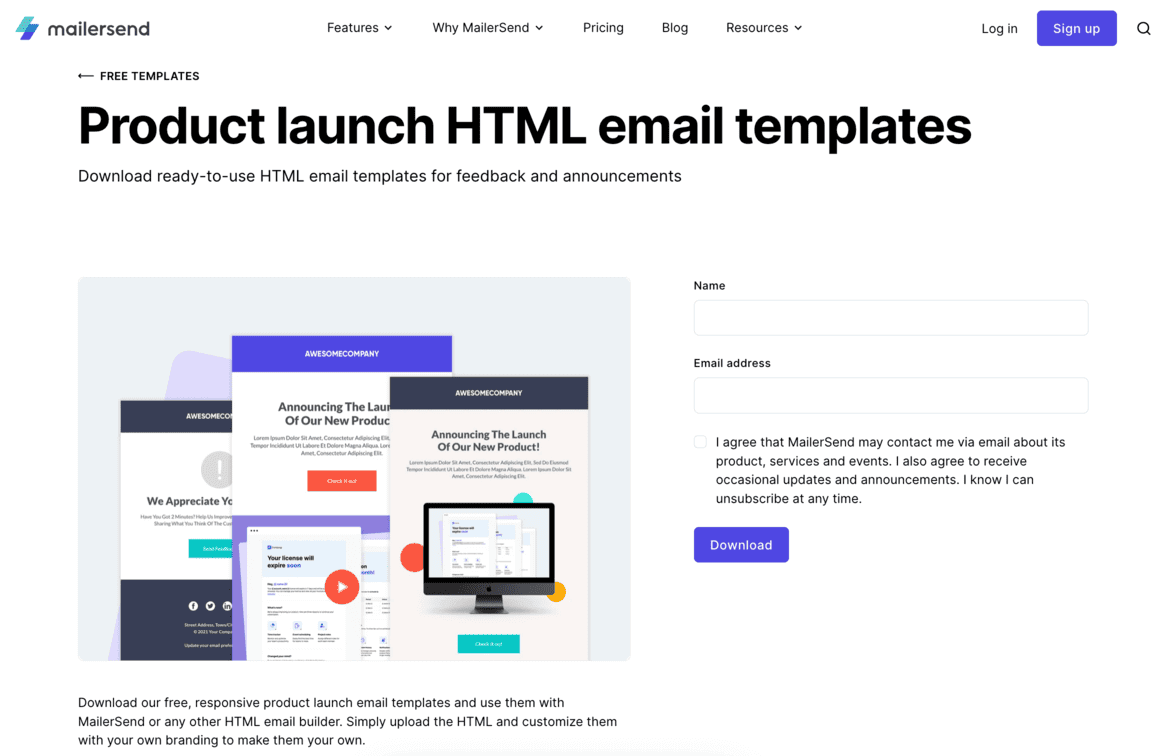
If templates are relevant to your products, this lead magnet option is a highly effective one. You can leave a watermark somewhere to remind prospects about your company.
MailerSend offers a selection of HTML email templates in exchange for a name and an email address:
-
Webinars and video tutorials
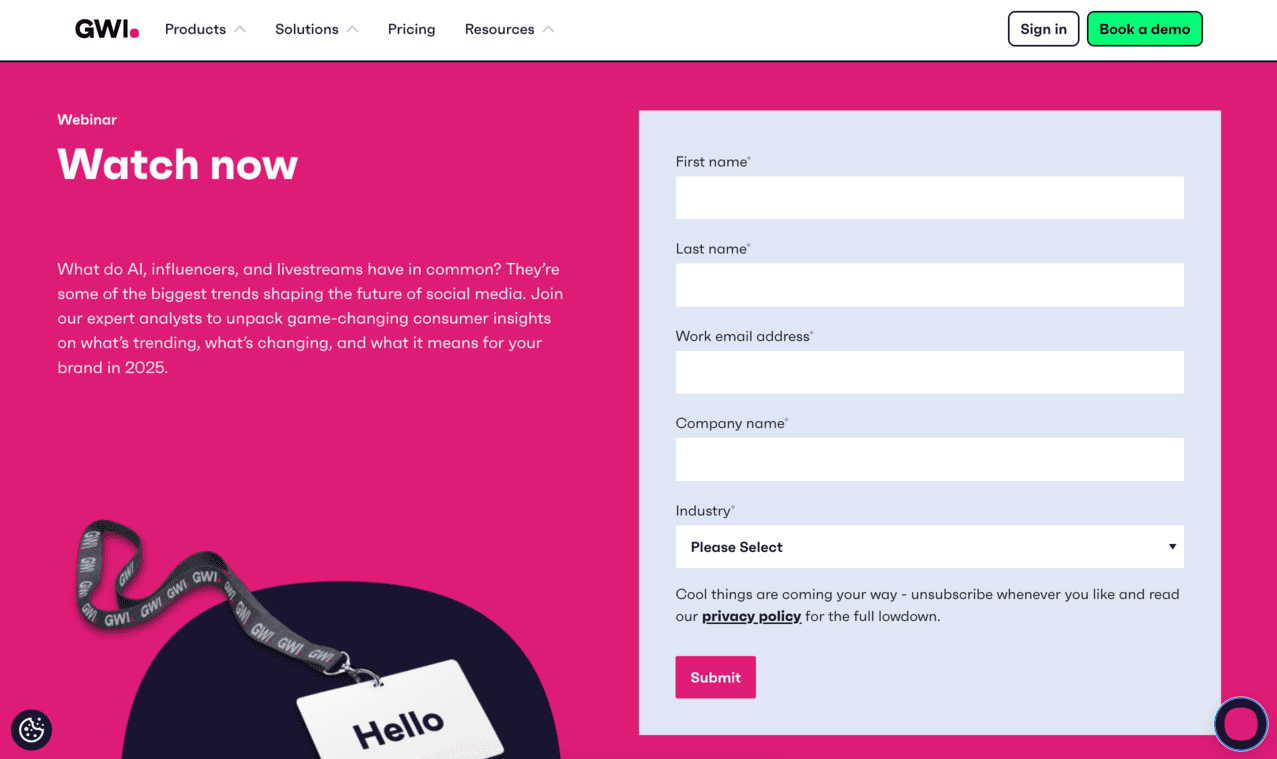
47% of marketers believe that video and text-based lead magnets perform best. If you run a webinar and have a recording, you can repurpose it as a lead magnet.
GWI gives leads access to the 2025 social media report webinar:
-
Quizzes
Great for consultation-type services and businesses selling physical products alike, quizzes are a form of engaging, interactive marketing. Your prospects will also be more inclined to share their personal information, as they are curious to get their results, have spent some time answering the questions, and want their efforts to pay off.
Here’s a final step before discovering a productivity type:

-
Free trial or sample
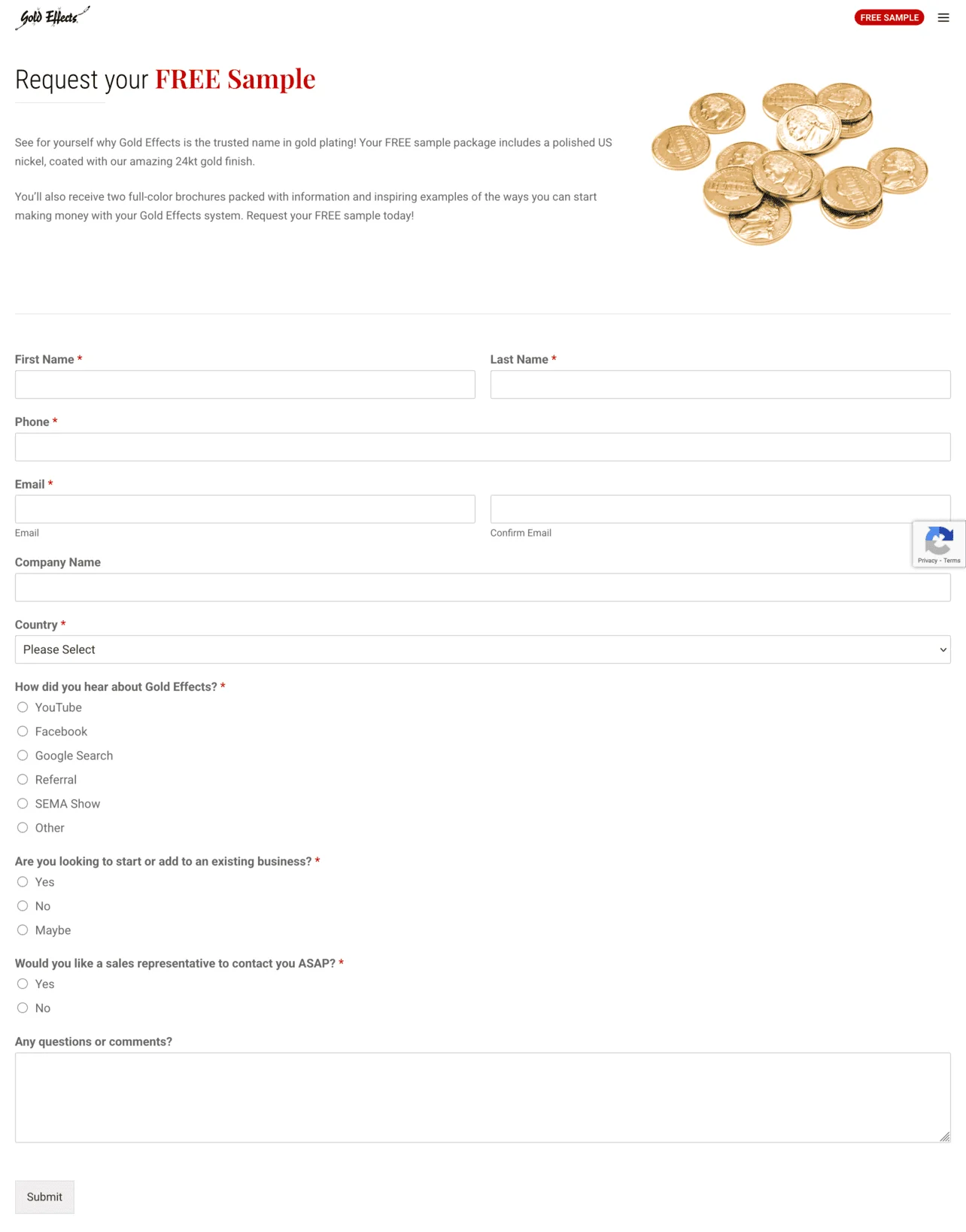
This lead magnet is very appealing for potential customers, but may also cost your company a pretty penny, especially with shipping.
However, some companies are even willing to give away gold for free!
-
Free tools
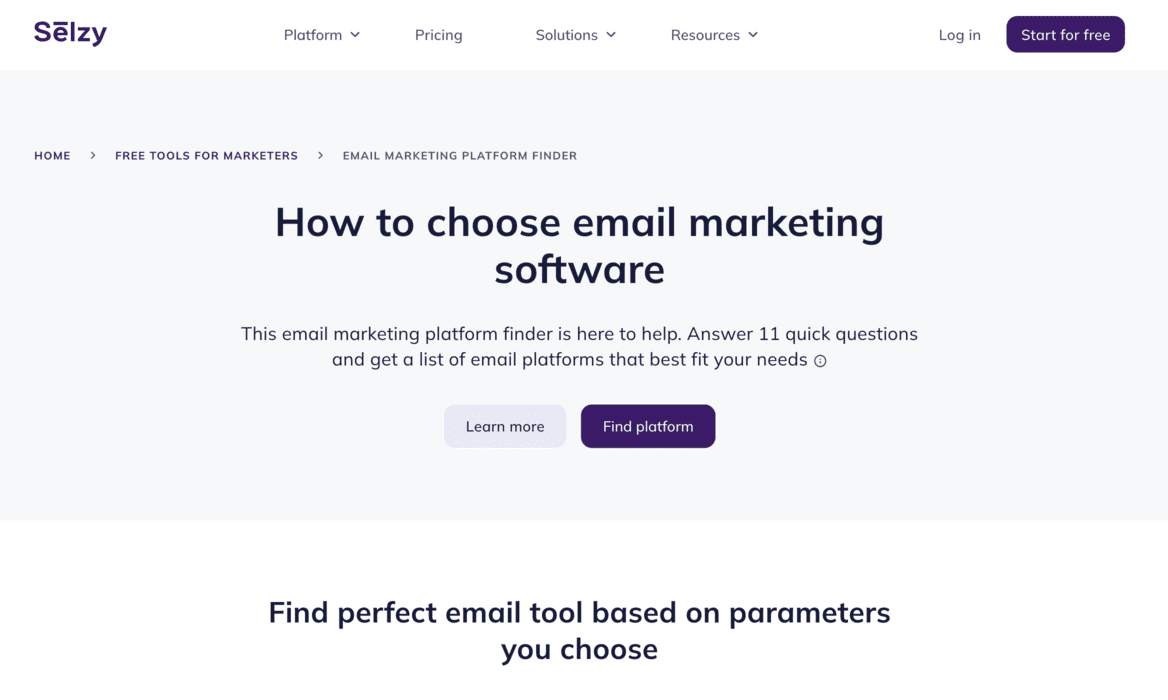
This is another interactive and helpful lead magnet. Find a small task that your target audience needs help with and develop a solution for it. Some popular examples include calculators, image converters, validators and verificators, link shorteners, etc.
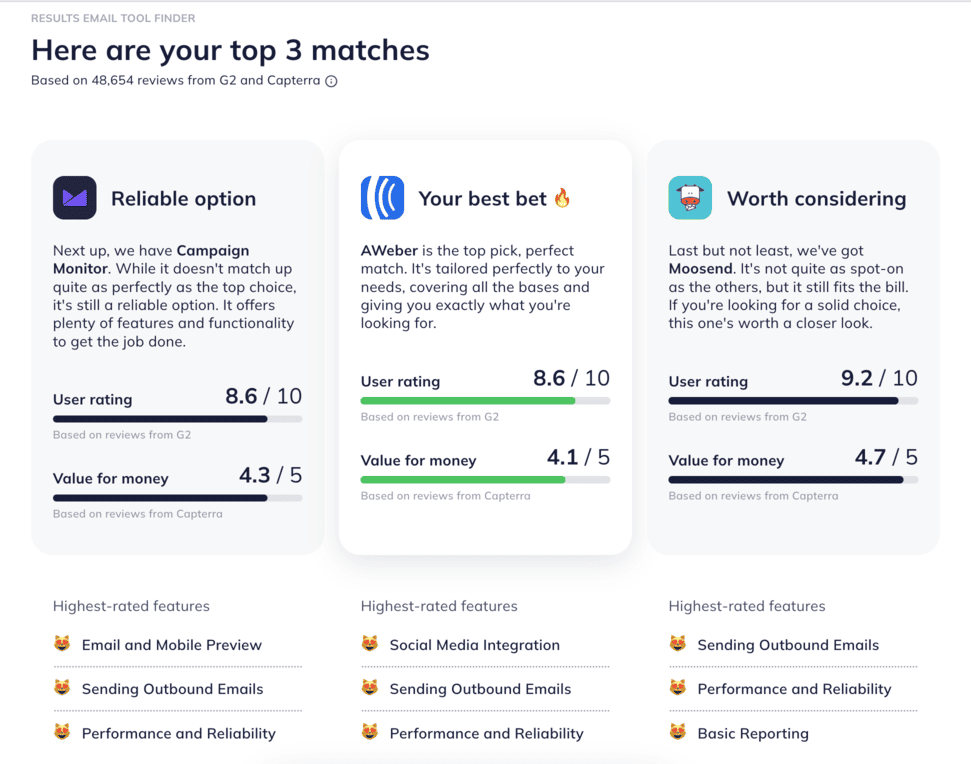
One of Selzy’s free tools is designed to help users find the best email marketing platform that satisfies their needs. Leads answer a short questionnaire, share their emails, and then get 3 personalized recommendations.

-
Discount code or coupon
This lead magnet type is most popular with e-commerce. In fact, you’ve probably encountered several 10% discount offers in exchange for a subscription.
Graza asks prospects one question to ease segmentation and offers a $9 discount for submitting their email addresses.


-
Infographic
A well-designed and well-researched infographic is a great tool for companies that specialize in research and want their work to be regarded as evidence and science-based.
Gartner offers several infographics as lead magnets. For example, here’s one on today’s candidates:

-
ntest or giveaway
This lead magnet is designed to attract the widest possible audience — after all, who doesn’t like free stuff? Opt for a contest or giveaway if you want to get a lot of subscribers, even if not many of them will become paying customers.

-
Case study
If the previous lead magnet type is prone to attract lower-quality leads, a case study, on the contrary, is all about getting the contacts of those who are already interested in your product. It’s also a perfect chance to bust out your best storytelling in email marketing tactics. Tell your leads how your brand and product solve someone’s problem and convince them that it can solve theirs as well.
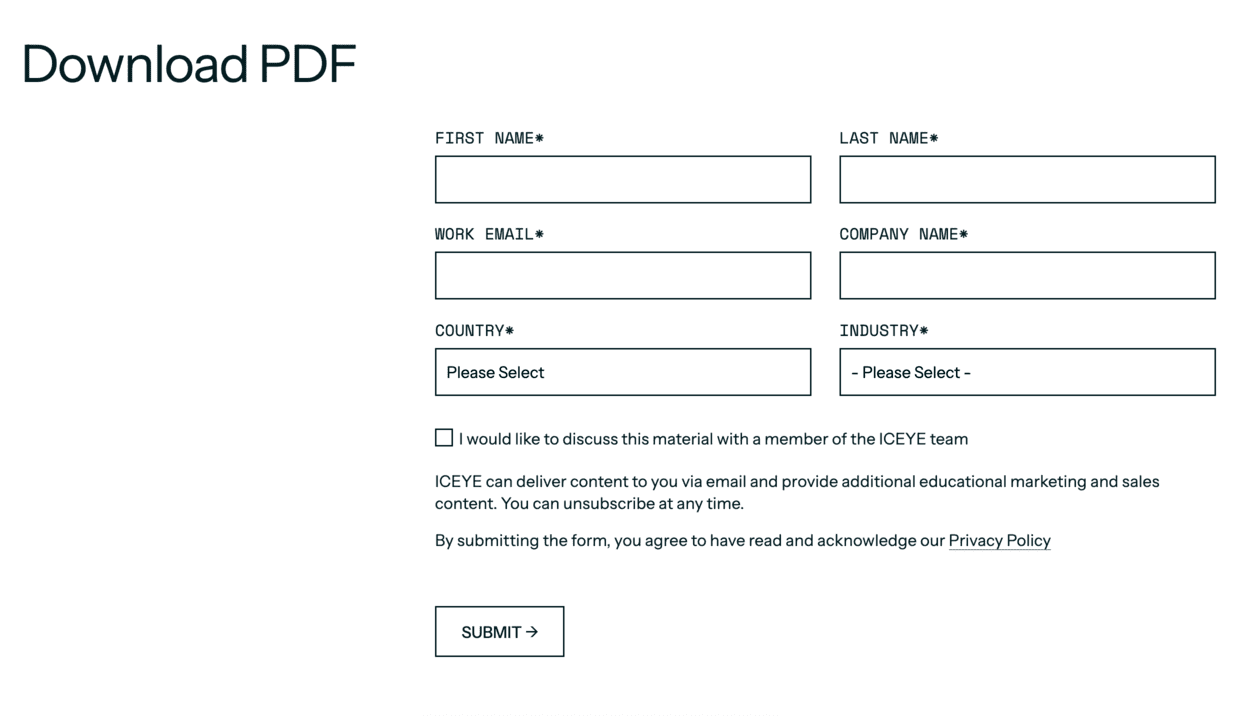
ICEYE shares the experience of working with FEMA (Federal Emergency Management Agency) to deliver flood data:

How to create a lead magnet in 7 steps
Let’s get straight into practice. Follow these steps to run your first lead magnet and start acquiring customers!
-
Research your audience
Create a detailed portrait of your audience. If you’re just starting out, here are some questions for you to consider:
- Where are they located?
- What is their industry?
- What is their position?
- What are some of the common problems they face?
- How can they benefit from your product?
- What social media platforms do they use? Where should you advertise, so that they see your promo?
The better you understand your leads, the better you can come up with the offer that entices them and the content that serves them. If you have the time and resources, you can go even more granular. Conduct interviews and send out surveys to get both qualitative and quantitative data. Beyond the lead magnet’s content, these findings can also guide your tone of voice, design choices, and channels of promotion.
-
Choose the format and topic
Guided by your understanding of the audience, think of the content type they would prefer and would most likely interact with. The format and topic of your lead magnet should also be relevant to your product.
Imagine you are creating a lead magnet for a skincare brand. If your target audience consists of people who struggle to find the exact products for their skin type, you can make a quiz to help them out. The results of the quiz can then include product recommendations suitable for the potential customers.
-
Create high-quality content
This part is the hardest but also the most important. Make sure that your content is:
- Relevant to your leads and personalized.
- Up-to-date.
- Original and filled with expertise.
- Well-written and mistake-free.
- On brand.
You can either produce the content internally, using your team’s expertise, or commission it from someone else. In both cases, thoroughly check the results before going further.
-
Design an attractive offer
This step is necessary no matter the content type. Even if you believe that your industry research or free trial deal speak for themselves, you still need to make the offer appealing. Keep in mind that people are more and more reluctant to share their personal information. Plus, many markets are oversaturated, and lead magnets are dime a dozen.
Come up with a good “selling point” — maybe your guide allows users to master a complex platform in under an hour? Maybe your free sample is worth $25? Maybe the webinar expert is an industry darling who worked at major companies? You know that your content is worth it, now convince strangers on the internet that it definitely is.
-
Build a dedicated landing page
You have your lead magnet, now give it a home. Use a landing page builder to create a page optimized for conversion.
Reveal parts of the content to illustrate what’s inside, share product reviews and testimonials, and, most importantly, add prominent call-to-actions (CTAs) and make sure that the whole process doesn’t take a lot of steps.
Tip
Use pop-ups to get even more conversions, but don’t overdo it.
-
Set up delivery and nurturing
Choose a good email service provider and set up an automation to deliver the lead magnet. Make sure to also add your new subscribers to a dedicated email list. This will help you separate them from other segments and create nurture sequences to lead them to conversion.
Consider the following journey:
- Lead magnet delivery email
- Brand introduction
- Additional content, relevant to the lead magnet
- Reviews and testimonials
- Promotions and deals
Make sure to properly prepare the leads before you make an offer. Remember that they came from after receiving something for free, so they may be reluctant to pushy or overly salesy messaging.
-
Promote through multiple channels
After you’ve made the necessary preparations, it’s time to promote your lead magnet. Pick the channels your target audience is likely to use. For example, if you’re reaching out to Gen Z, consider TikTok. For a blend of digital and traditional marketing, you might even put a QR code on a business card and hand it out during events or networking meetings.
It’s important that no matter the channel, the customer experience stays smooth and easy. Follow omnichannel marketing best practices, use consistent messaging, and reduce the steps your audience needs to take to a minimum, preferably without asking the leads to leave the platform.
FAQ about lead magnets
What exactly is a lead magnet?
It’s a free incentive — like an e-book, trial, checklist, or sample — that prospects receive in exchange for sharing their contact details. It lets you build your email list and start nurturing leads.
Why should I use a lead magnet?
Lead magnets help you attract prospects, improve conversion rates, make audience segmentation easier and strengthen your authority.
What are the drawbacks of lead magnets?
They take time and resources to create, can attract irrelevant contacts, don’t work without proper nurturing and need regular updates.
What makes a good lead magnet?
It provides immediate value, targets a specific audience, complement your paid offer, is of high quality and is quick and easy for users to access.
What are some examples of lead magnets?
Popular options include e-books, checklists, templates, webinars, quizzes, free trials, free tools, discount codes, infographics, contests and case studies.
How do I create a lead magnet?
Follow 7 steps:
- Research your audience.
- Choose the format and topic.
- Create high-quality content.
- Design an attractive offer.
- Build a dedicated landing page.
- Set up delivery and nurturing sequences.
- Promote through multiple channels.
Do lead magnets work on their own?
No, they’re just the entry point. You need to pair them with nurturing email sequences that gradually lead contacts toward becoming paying customers.
 New and noteworthy on our blog