


Key takeaways
- Email personalization involves tailoring content to specific individuals or segments by using their name, past interactions, or demographics.
- Personalized emails provide a positive user experience, strengthen customer relationships, increase email strategy effectiveness, and boost click rates.
- Examples of successful email personalization include Todoist, Netflix, Nissan, Alaska Airlines, American Eagle, Amazon, OpenTable, Flight Centre, Spotify, TikTok, Reddit, Adidas, easyJet, LinkedIn, Asics, Monica Vinader, The Hustle, and Sephora.
Email inboxes are crowded, and generic campaigns are easy to ignore. Personalization helps marketers make messages feel useful by tailoring them to a subscriber’s interests, behavior, purchase history, or lifecycle stage.
This article covers what email personalization is, why it matters, and email personalization examples from well-known brands you can learn from.
Quick answer
Email personalization means tailoring messages to each subscriber or segment using data such as names, preferences, behavior, location, lifecycle stage, or purchase history. Good personalization goes beyond a first name: it helps subscribers see relevant products, reminders, offers, and content at the right moment.
What is email personalization and why is it important?
Email personalization is the practice of tailoring email content to specific individuals or segments. This can involve using a recipient’s name, referencing past purchases or interactions, targeting a specific demographic, or adapting content to lifecycle stage, preferences, and purchase history.
To stand out in today’s busy media landscape, it’s important for businesses that want to connect with their audience to craft personalized messaging. This kind of communication has several advantages:
Provides a positive user experience
Personalization helps companies create relevant content and send individualized offers to subscribers. A majority of consumers (71%) want companies to communicate with them on a personal level. This tailored approach helps strengthen your customers’ emotional connection to your brand, maintain audience engagement, and reduce unsubscribes.
Strengthens customer relationships
Personalization makes communication between salespeople and customers more human. Customized emails are highly valued because they show subscribers the brand’s attention to their needs and interests. As a result, the brand’s subscribers – their customers and prospects – will have a positive experience.
Increases the effectiveness of the email strategy
Email newsletters are more than a marketing tool when brands personalize their messages. 91% of users are willing to buy from personalized content. Quality is favored over quantity in this case, so fewer emails are sent overall.
Helps increase clickability
According to statistics, emails with personalized subject lines are 26% more likely to be clicked on, and calls to action that are personalized perform twice as well as generic ones. When crafting emails, consider the needs and interests of your individual subscribers, address the recipients by their name in the subject line.
For example, if you are promoting a new product, tailor your CTA language to speak directly to how it solves a problem or meets a desire for each individual recipient. Instead of a generic “Buy now!” CTA, try something like “Get ____ to solve ____ problem” or “Upgrade to ____ for ____ benefit.”
Personalization works best when it feels useful, not invasive. Use data subscribers reasonably expect you to have, avoid overly specific details that may feel uncomfortable, and make preference or unsubscribe options easy to find.

Best email personalization examples from famous brands
According to Litmus research, only 21% of users find the promotional emails in their inbox “memorable”. That is why brands use personalization to make campaigns feel relevant instead of generic.
The strongest examples use behavior, preferences, lifecycle events, and customer history to show the right message at the right moment. Automation and segmentation tools make this easier to scale without writing every email one by one.
Here are the best examples of personalization in emails. Use these email marketing tips to create your own successful campaign.
Todoist
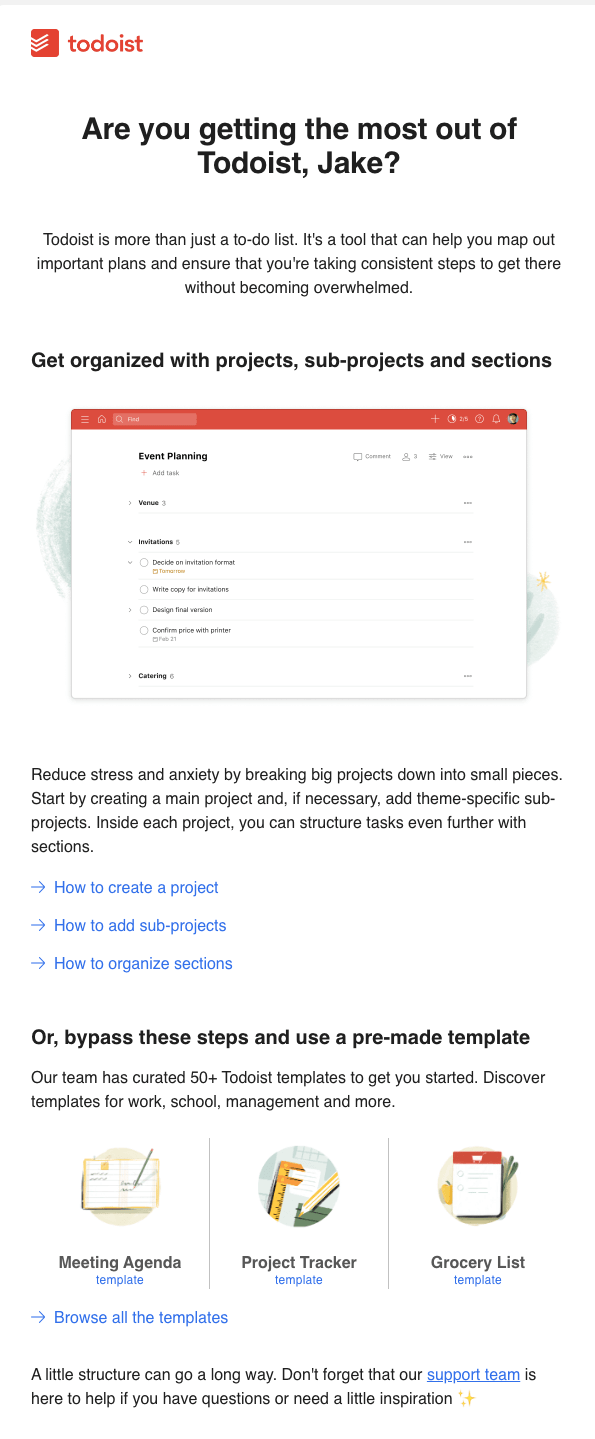
Todoist, a popular task and project management app, personalized one of the welcome emails in the chain by addressing the recipient by their first name. It shows that the message was intended for this particular person, rather than being a generic mass mailing. Todoist also provides a customized guide to help the user master a new application. Personalization pattern: onboarding by first name and lifecycle stage.
Netflix
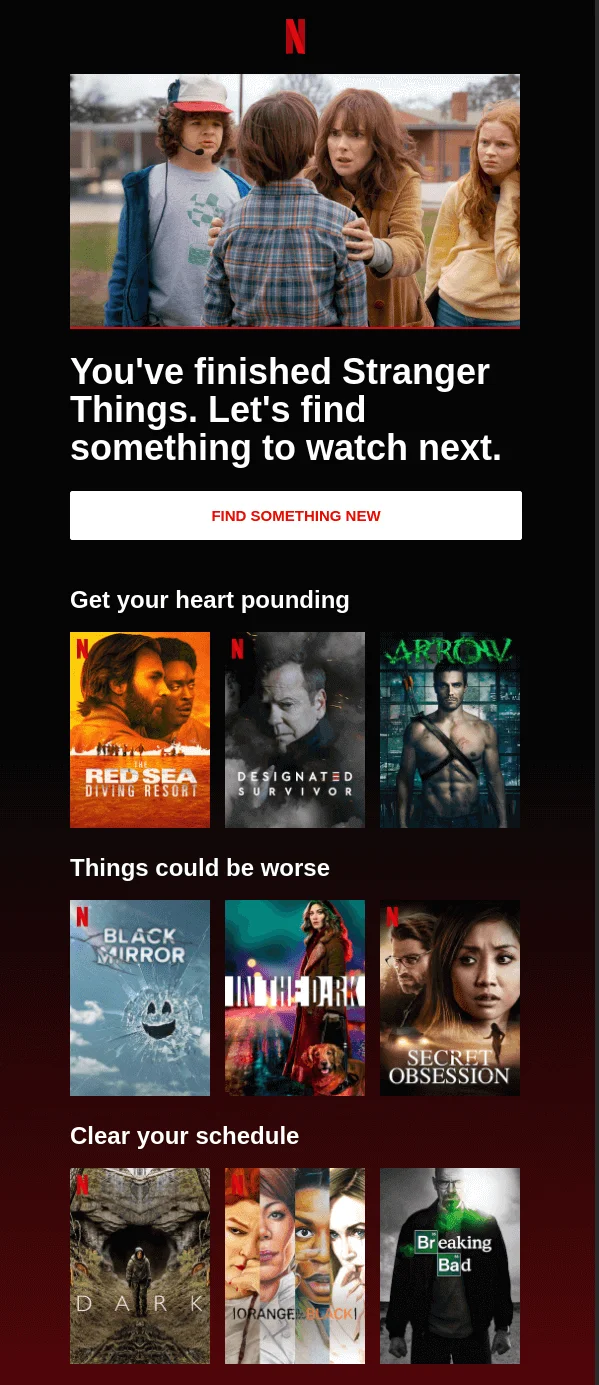
Marketers who can personalize their offerings based on customer preferences and past purchases are more likely to see increased sales and loyalty. By recommending products that a customer is likely interested in, businesses can provide a better shopping experience overall.
This is true for on-demand viewing platforms such as Netflix. With so much content available, users can spend more time searching than watching. To reduce search time and keep subscribers engaged, Netflix provides recommendations based on previous preferences. Personalization pattern: recommendations based on viewing history and content interests.
This approach is also relevant for platforms that provide e-books, webinars, and blogs.
Nissan
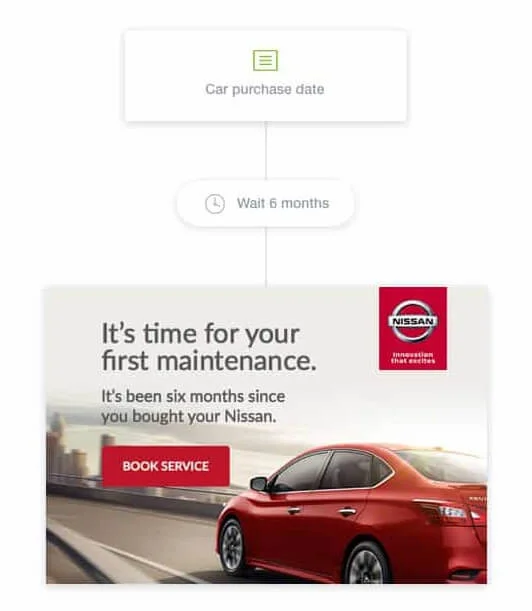
Customers often forget about renewing warranties or scheduling maintenance for the products they purchase. You can use email personalization to send helpful reminders to your customers. If you send timely reminders as a brand, your customers will appreciate your efforts.
Nissan is setting a great example:
Alaska Airlines
Not every customer will become a loyal repeat buyer. Some may become inactive after just one or two purchases. However, you can use email personalization to re-target dormant customers and encourage them to return to your website.
Alaska Airlines uses a personalization strategy in its emails when it wants to win a customer back. In this email, the company encourages passengers to redeem their accumulated miles for their next trip. Personalization pattern: reactivation based on loyalty status and unused rewards.
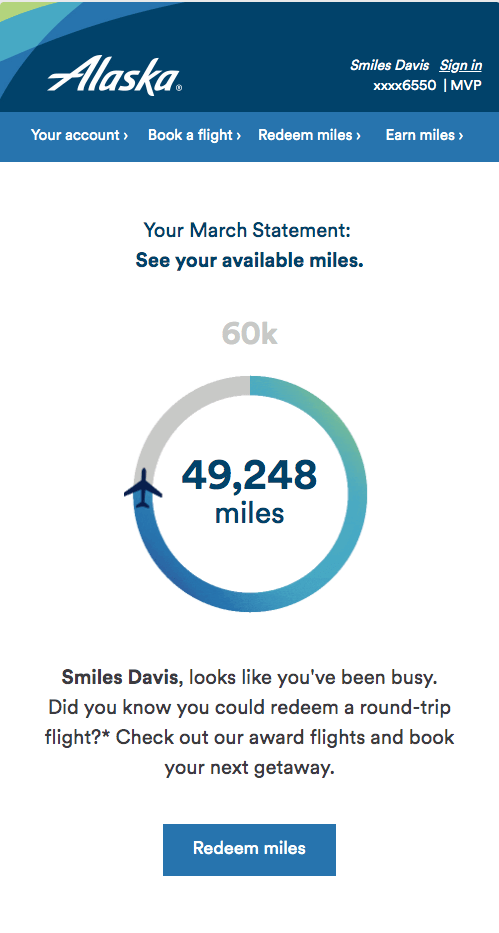
This email demonstrates how to bring back customers who have stopped engaging. It could be just the motivation they need to take action and buy something from your company again.
American Eagle
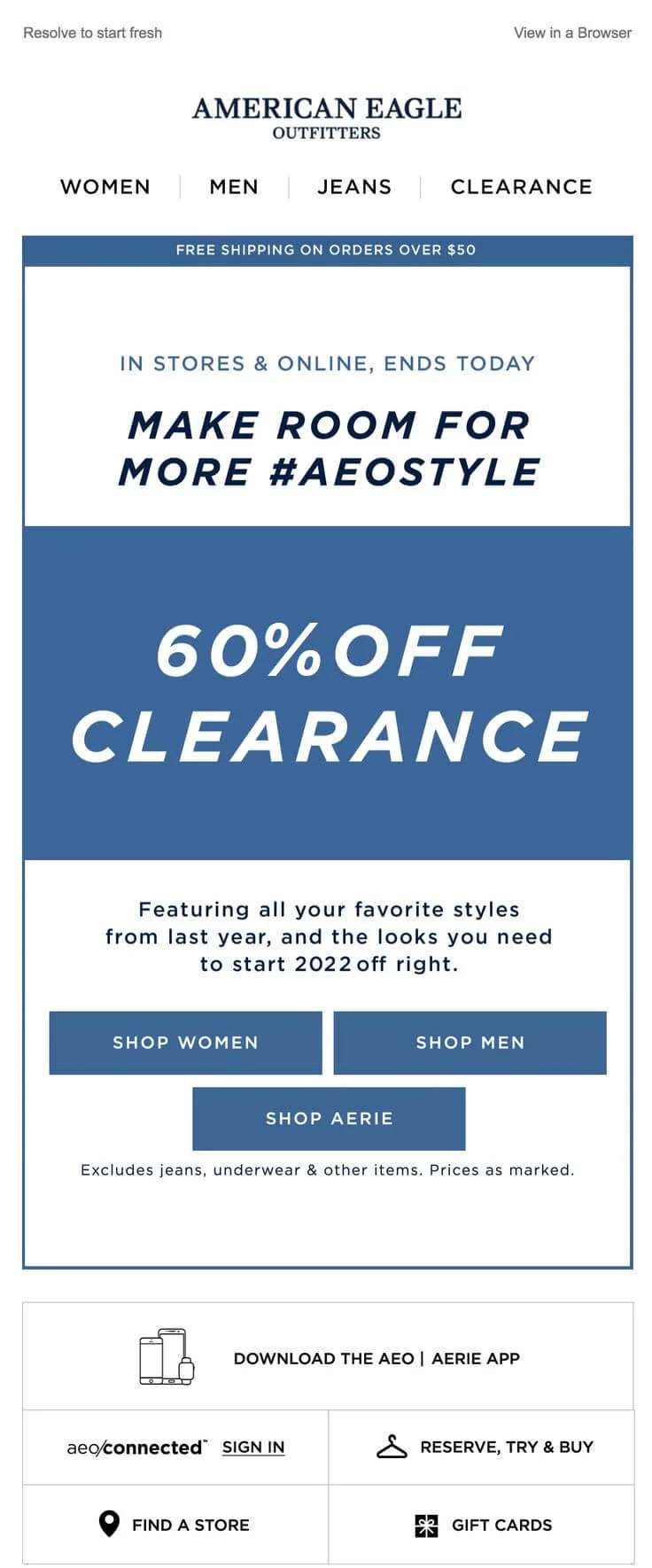
Email personalization based on the products or content that the user has already viewed can increase open rates and engagement with the brand. This can be done by using data on the user’s website browsing behavior or previous purchases to target them with relevant messaging.
One example of successful email personalization is American Eagle. As the new season approaches, they showcase the latest collection of clothes based on the customer’s past purchases. This personalized approach can increase the chance that the customer would make a repeat purchase.
Amazon
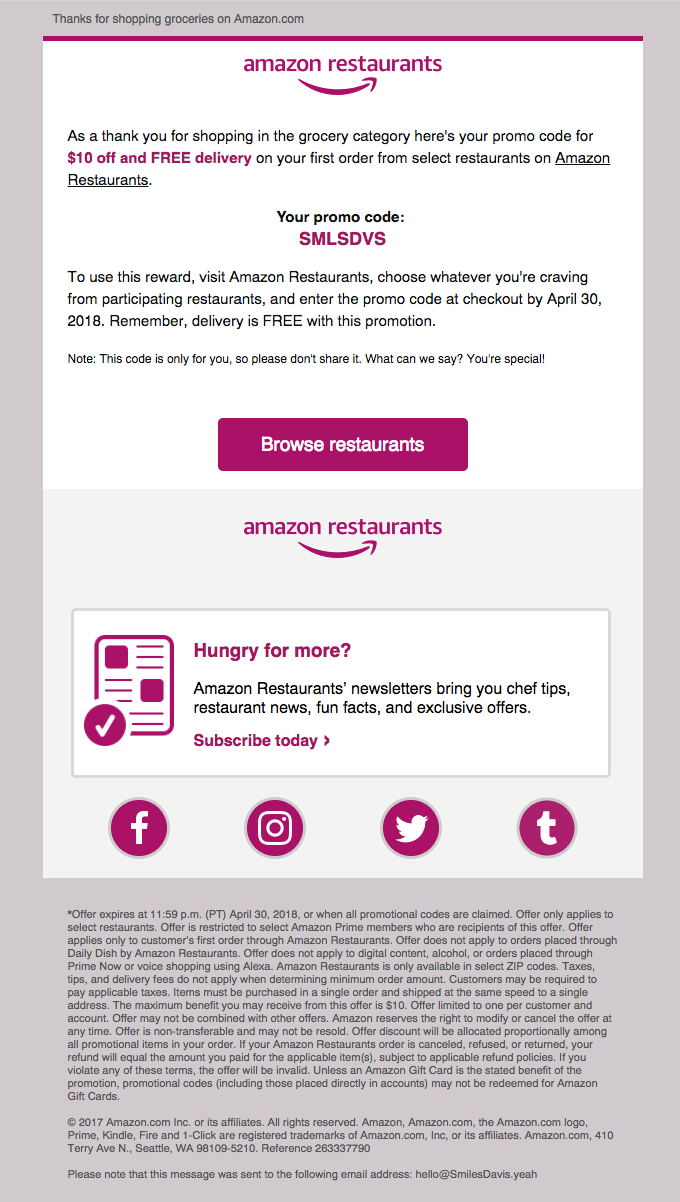
You can use your customers’ previous actions and behaviors to re-engage them and move them through the sales funnel. For example, Amazon sends an offer to subscribers who have previously purchased from the grocery section of their site. They get a discount on their first order and free shipping from any restaurant on their list. What’s more, the company emphasizes that this discount coupon is only valid for a specific person and no one else.
OpenTable
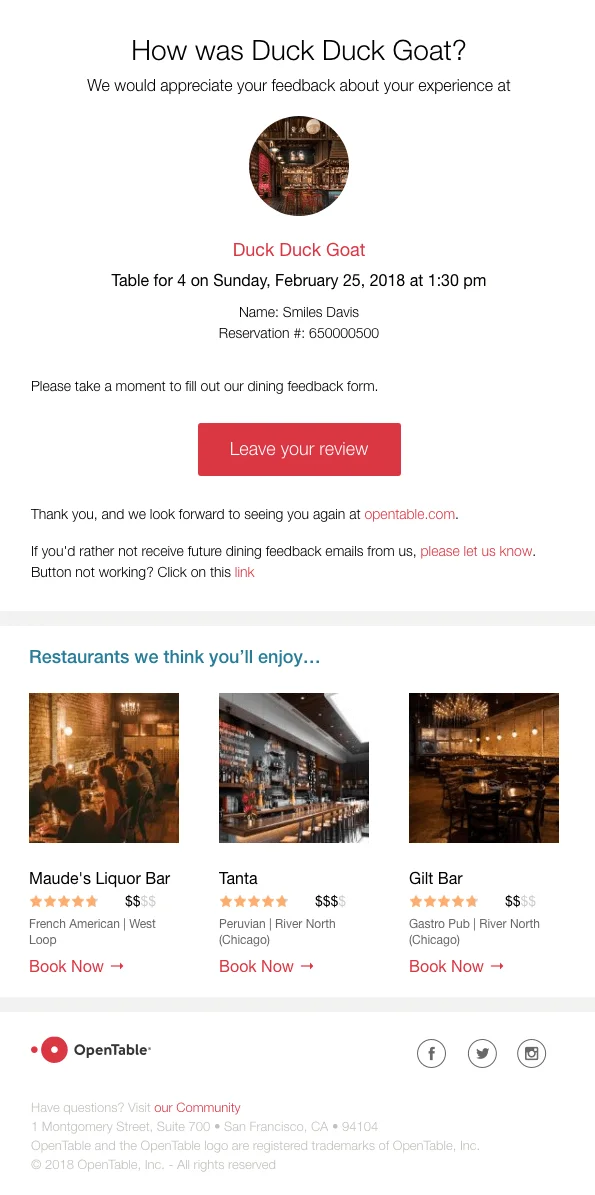
Providing a positive customer experience is important. But it’s also key that you collect feedback from customers on the products they’ve purchased. By requesting reviews via email, you not only provide social proof for potential customers, but also improve future buying experiences. Complete the customer journey by asking for feedback after purchase; this sends the message that their opinion is valued.
The OpenTable email is a great example of how this strategy can be used effectively:
Flight Centre
If you want to send tailored travel deals, keep an eye on customers’ preferences and break down your contact list accordingly. One way to group your contacts is by their behaviors, such as the links they click in emails or what kind of purchases they made before.
By segmenting your email list, your subscribers receive content that is relevant to them, which increases the likelihood that they’ll convert. Flight Centre increased their conversion rate by sending Sunshine State-specific emails to individuals who had previously clicked on links to promotions for Florida vacations. Personalization pattern: travel offers based on click behavior and destination interest.
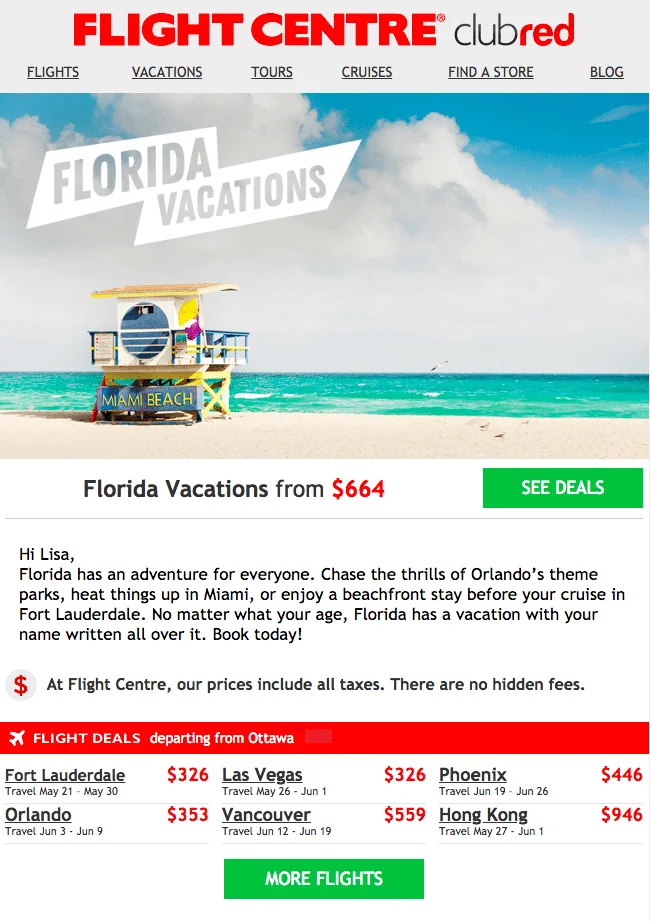
Aside from sending a relevant email to a subscriber interested in going to Florida, Flight Centre also used the subscriber’s first name, Lisa, in the message and included flight deals to Florida that depart from her home airport of Ottawa.
Spotify
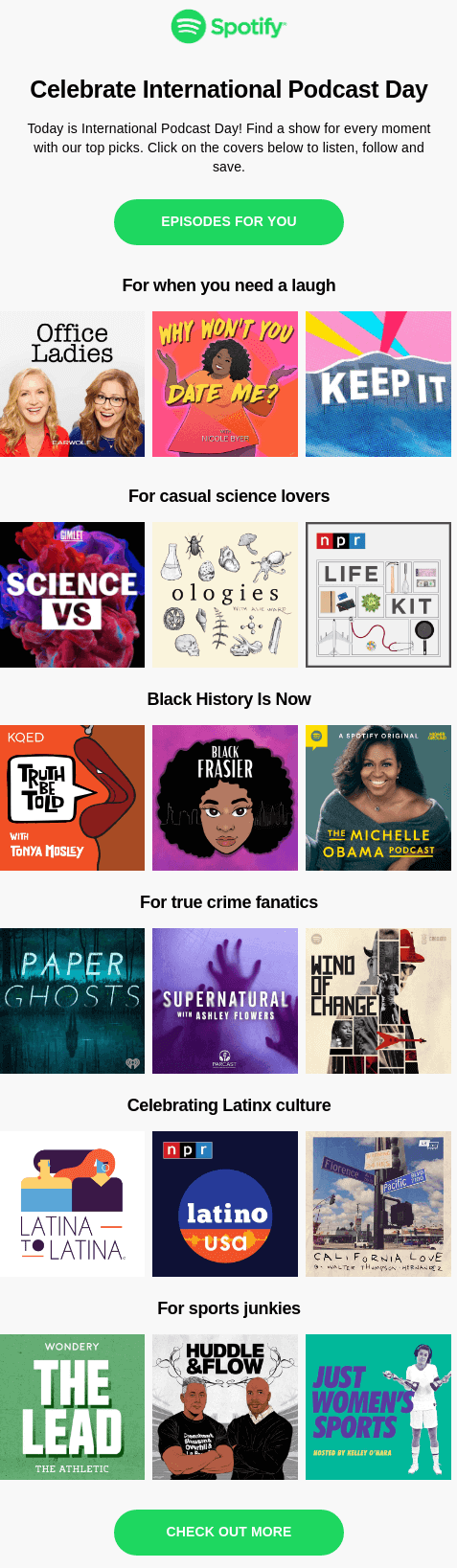
Another way to show your appreciation is by including relevant and useful details in your message. For example, Spotify has prepared a selection of podcasts that they think customers will be interested in. Again, this selection should be based on user preferences to ensure the best possible experience.
TikTok
TikTok tracks the actions of subscribers, and then uses this data to engage them with personalized emails. For example, if a user has not finished setting up their account, TikTok sends them an email reminding them of the benefits of completing the setup process. This kind of targeted marketing helps drive user engagement and keeps them coming back to the service.
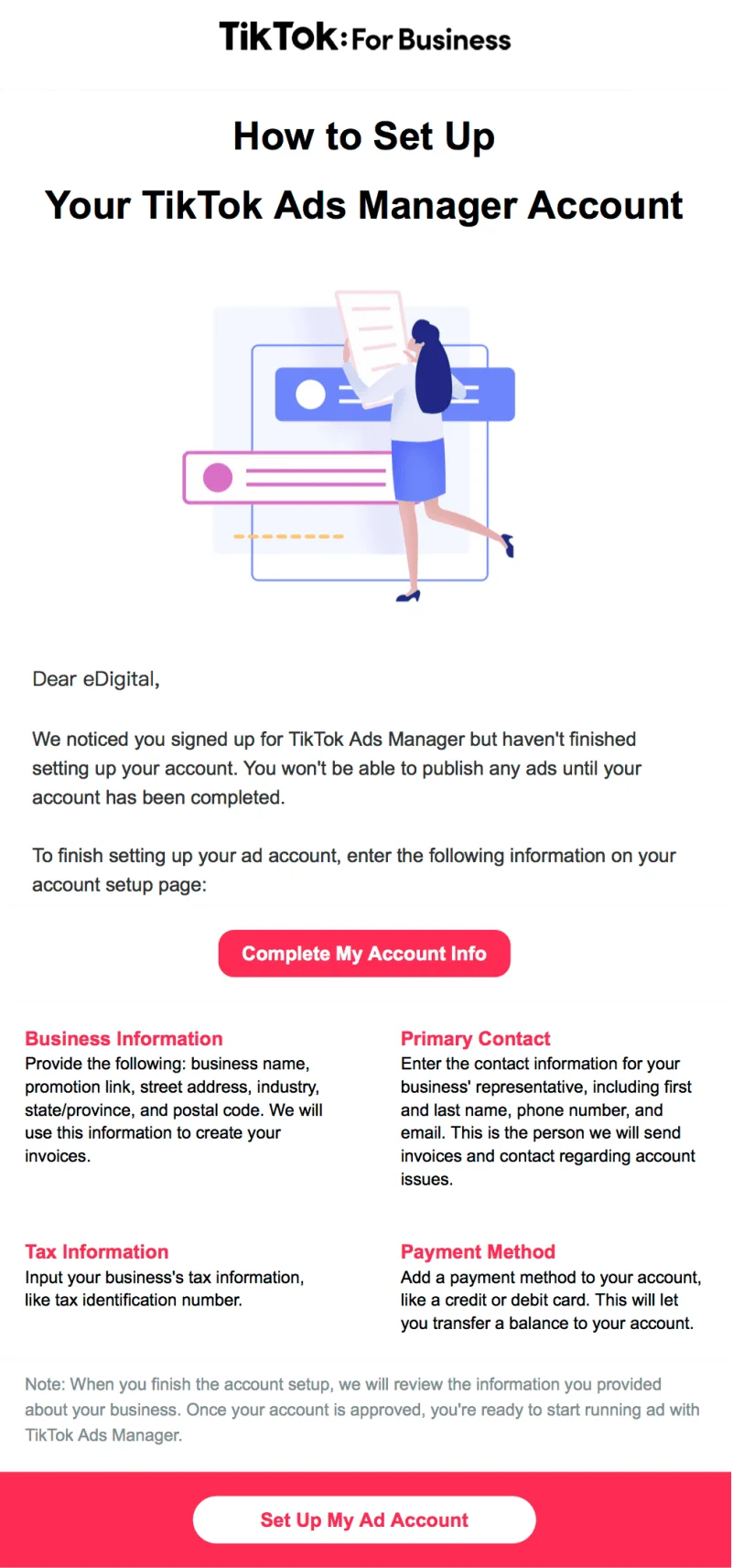
It is also important to make the next steps clear and easy for the user to follow, such as including a direct link or button to finish setting up an account. As a result, you can help remove any potential issues that might prevent customers from completing the setup process.
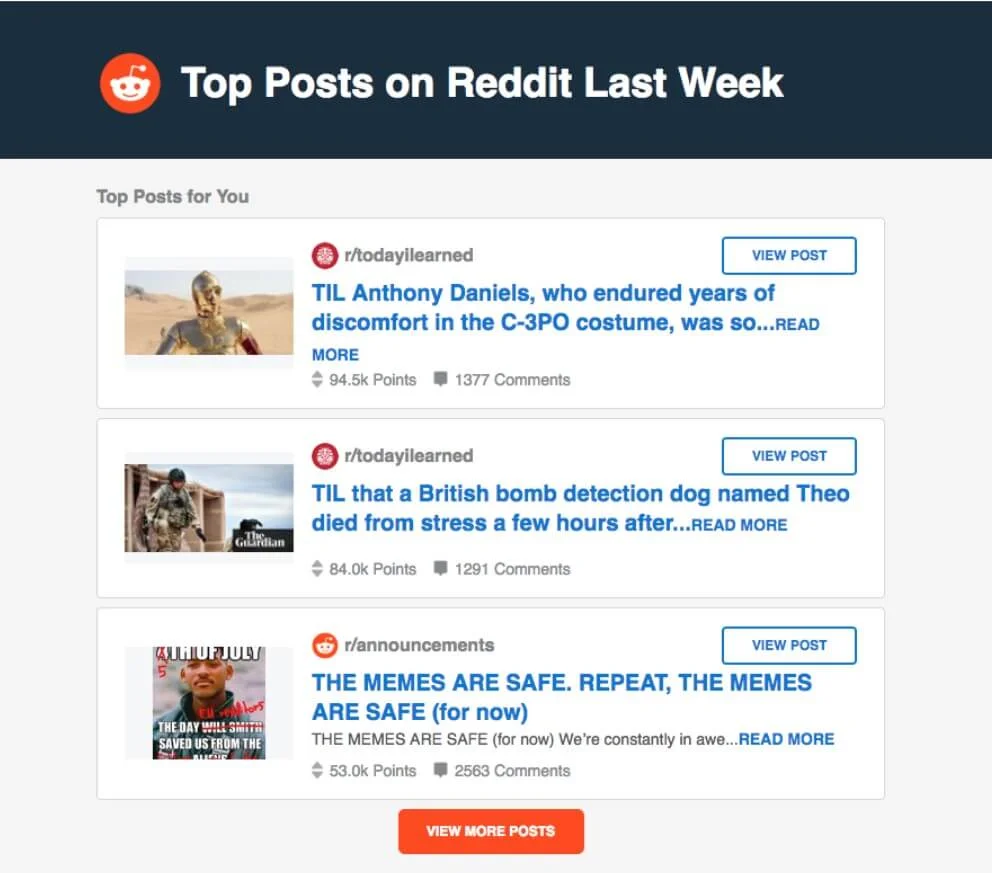
The world’s largest internet forum is also the best example of personalization – in fact, all its work is based on the selection of content for each user. When registering, the user is prompted to choose the “subreddits” or online communities they are interested in joining. After a while, Reddit will then send the user a selection of posts from these subreddits based on their previous activity and engagement with content.
Additionally, Reddit allows users to customize their email notifications according to the types of updates they want to receive. As users receive relevant information in a timely manner, user experience and engagement are considerably improved.
Adidas
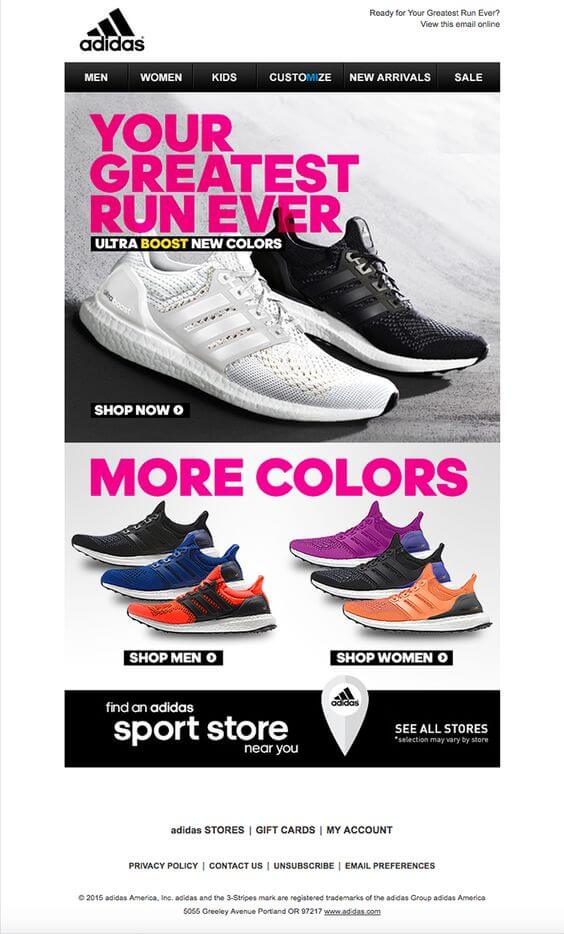
By using demographic data like age, gender or education level, and sending highly personalized content you can deliver a positive brand experience for your customers. Not only will they appreciate the effort, but they are also more likely to engage with your brand as a result.
Adidas does an amazing job at personalizing its promotional emails to each key segment, which makes both men and women much more likely to engage. By organizing products by color and creating customized CAC buttons for each gender, they ensured that every subscriber would see the most relevant and appealing products. This in turn would encourage them to make a purchase.
easyJet
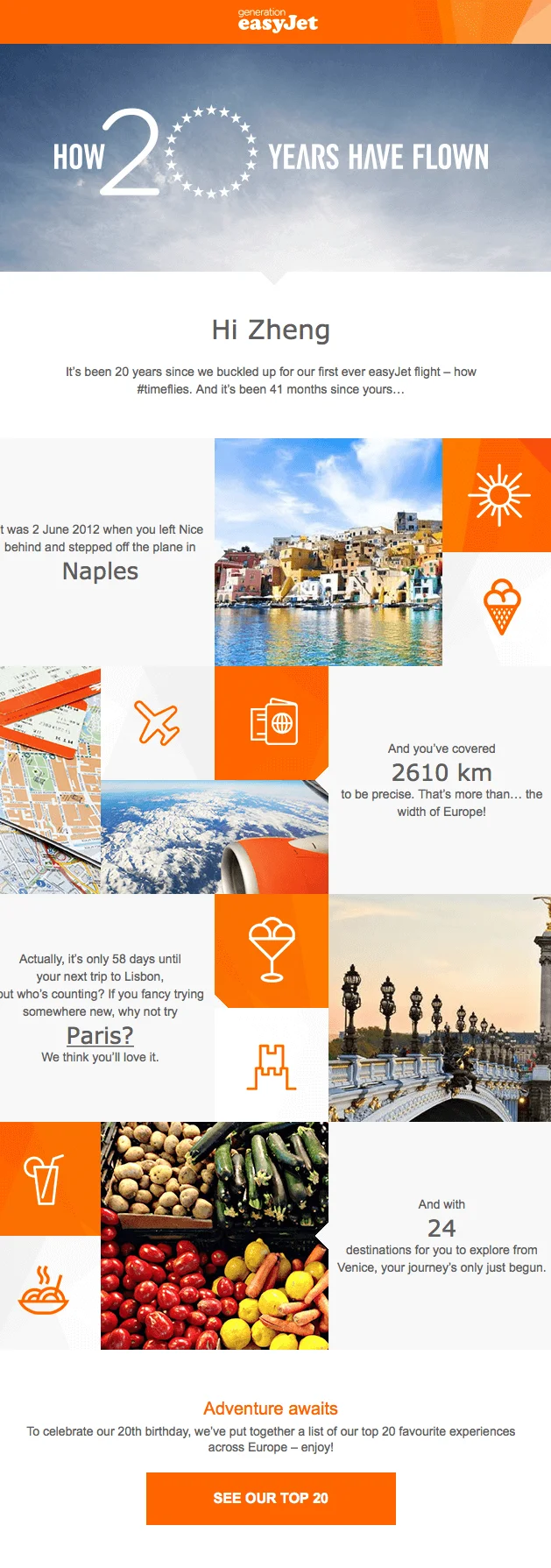
Your customers will appreciate you taking the time to get to know them on a personal level. Using their data to tell a personalized story is an excellent way of showing that you care about them and want to create a connection with your brand.
A great example of email personalization comes from easyJet. They sent every customer a summary of all the places they had traveled with easyJet in the last 20 years. These emails struck a chord with their readers and reminded them of the great trips they had taken in the past.
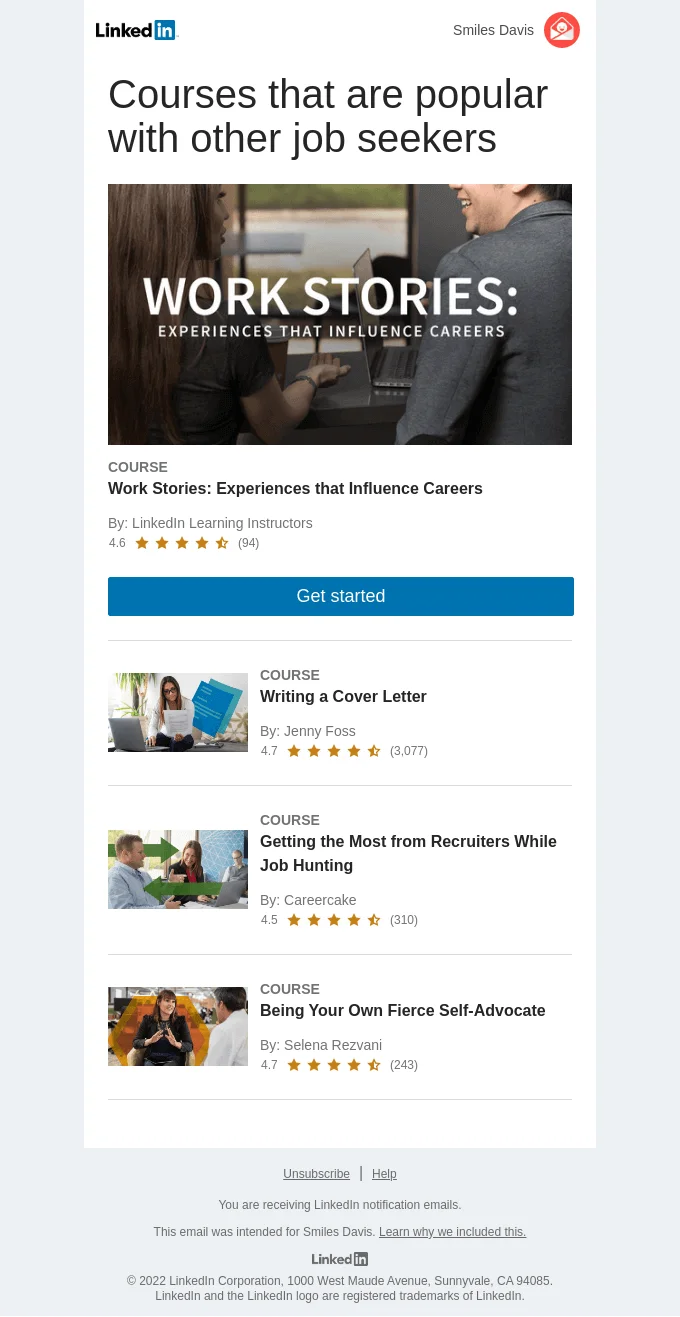
People often use Linkedin to find a job. And this network gives them what they need to achieve that. For example, this social network sends emails to its users with personalized content, such as an offer to explore courses to prepare for a job search.
LinkedIn also personalizes its daily job roundup emails with job opportunities that match the user’s profile:
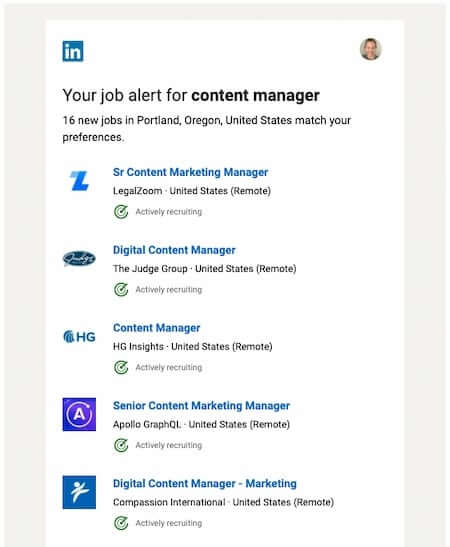
Including only positions in the field and with desired job title, the subscriber is more likely to pay attention and apply to some listings. In some cases, LinkedIn also sends their users information on events happening in their area.
With personalized emails, marketers can improve user experience by demonstrating an understanding of the recipient’s individual needs and interests.
Asics
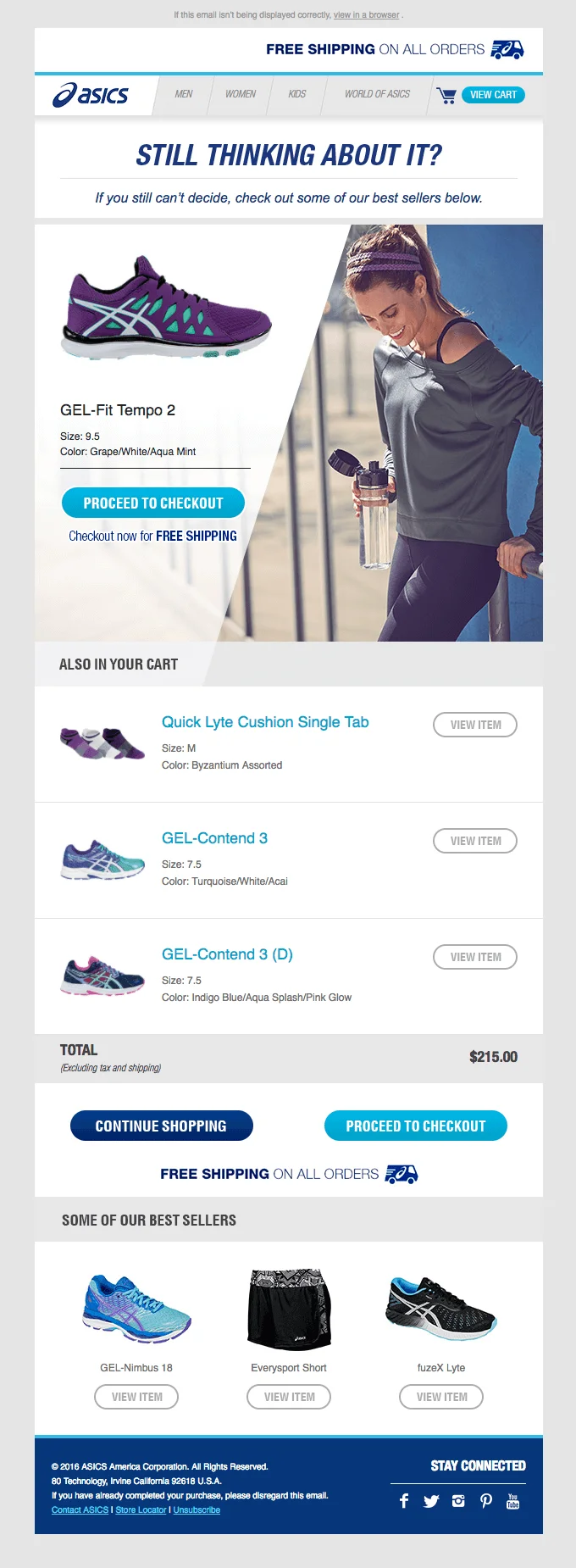
Abandoned cart emails come in handy when visitors leave the site without making a purchase. And that happens often: almost 69.99% of visitors put items in their carts, but never make it to checkout. A cart abandonment trigger allows you to remind customers about the great pair of sneakers waiting for them on the site.
Asics does this with their abandoned cart emails. In their email, they include a call to action button and add a free shipping offer. It’s a great way to drive sales and recover lost revenue.
Monica Vinader
A personalized email that mentions the subscriber’s birthday can make them feel acknowledged and appreciated. On such a day, they are more likely to buy something to treat themselves. As a bonus, you can offer them a special discount or promotion to thank them for being a loyal customer. Personalization pattern: birthday or milestone offers tied to known customer dates.
The Monica Vinader company, a jewelry store, sent a personalized email to a client who was celebrating their birthday. The email also offered a special discount on the client’s favorite product as a birthday treat.
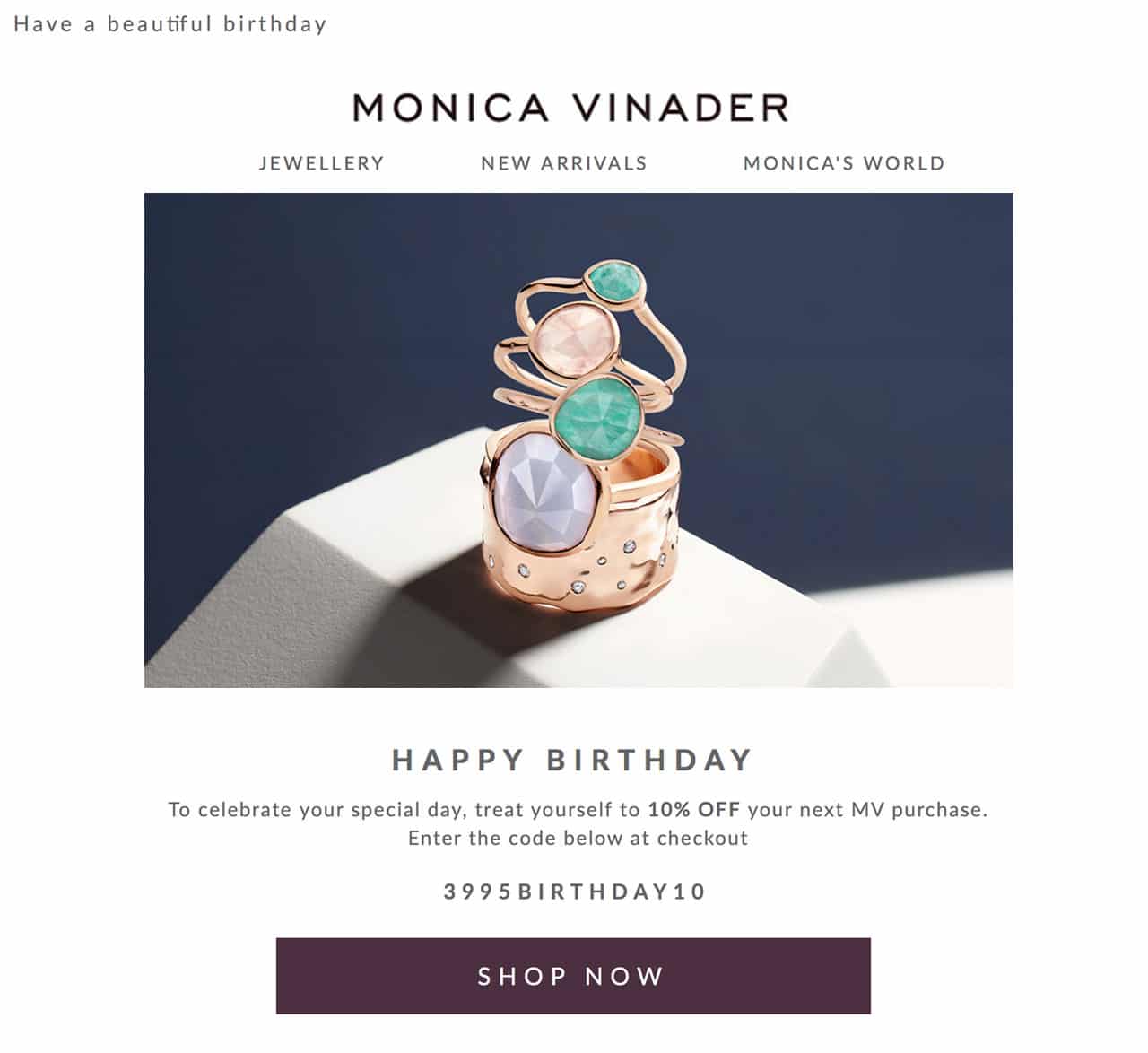
In addition, including a birthday message or celebrating subscriber milestones (such as their first anniversary of being a subscriber) can make recipients feel valued. This can lead to increased customer satisfaction and boost brand loyalty.
The Hustle
An email from The Hustle is another great example of a personalized message based on behavioral data. The business and tech website launched a referral program, encouraging its subscribers to invite their friends to subscribe. Its clever systems capture data on all subscribers’ actions to send personalized emails.
For example, one user was recognized as an official Ambassador for bringing in a specific number of new subscribers. As a way to thank them, The Hustle gave the subscriber not only a gift, but also access to a private community reserved only for those who go above and beyond. This community includes networking events, exclusive deals, and opportunities to connect with industry leaders.
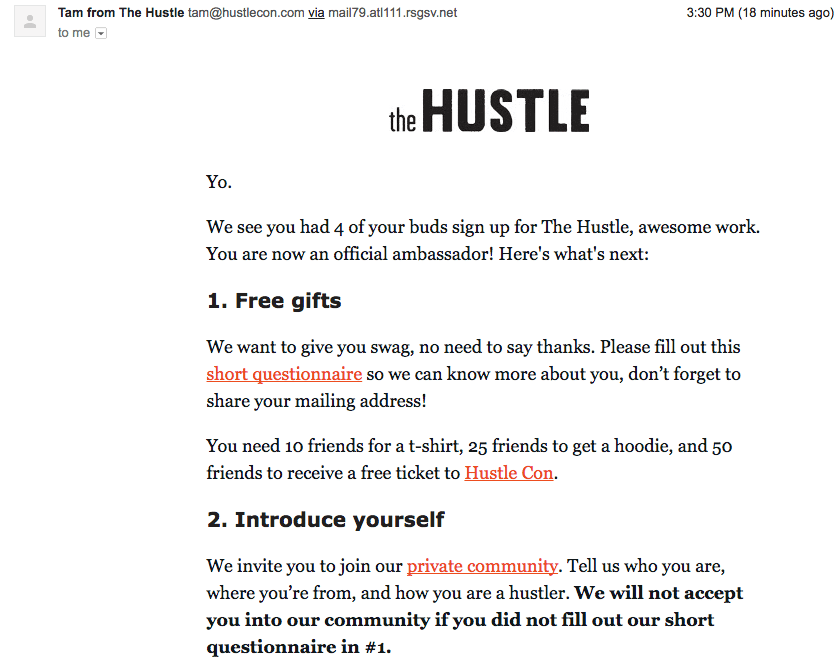
By personalizing emails based on behavior, The Hustle can make subscribers feel appreciated for their participation. This ultimately helps motivate them to drive more referrals.
Sephora
When a customer makes a purchase, it’s time to engage with them and turn them into brand advocates. Post-purchase messaging strategies can be as simple as saying thank you, promoting your loyalty program, or offering incentives for the customer’s next purchase. This is vital for any company that wants to retain customers and continue growing.
Sephora, an online make-up store, uses post-purchase email to remind customers to restock their make-up stash. They send personalized recommendations based on past purchases and other customer favorites. Personalization pattern: replenishment and recommendation emails based on purchase history.
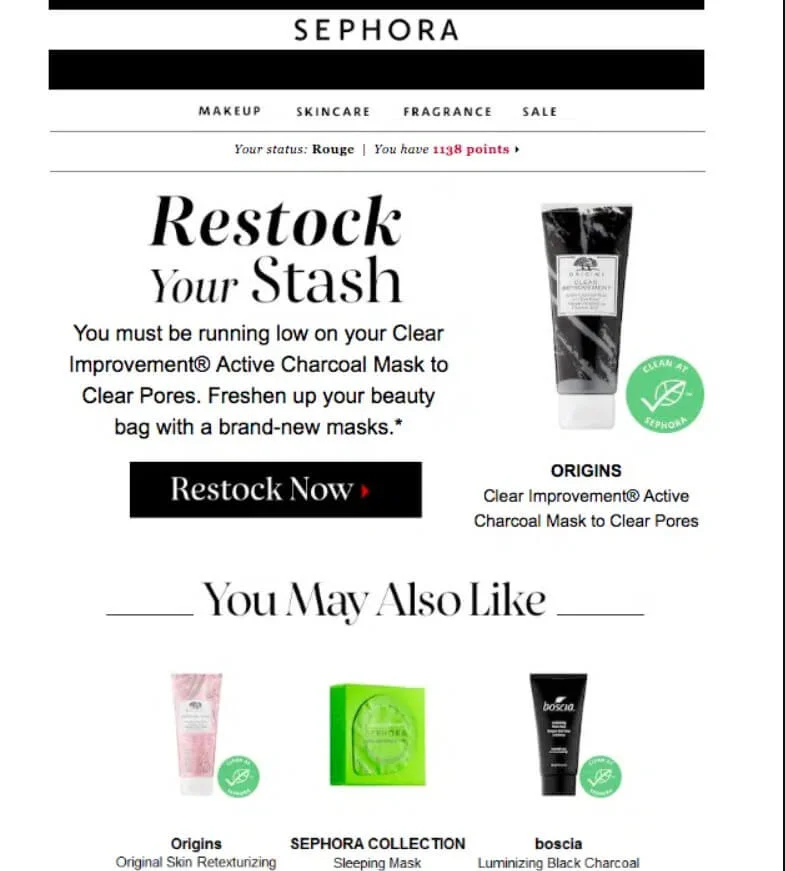
This specific campaign can be successful in driving repeat purchases and increasing brand loyalty among Sephora’s customers.
FAQ
What is email personalization?
Email personalization is the practice of tailoring email content to specific individuals or segments. It can include using a recipient’s name, referencing past purchases or interactions, or targeting a specific demographic.
Why is email personalization important?
Personalization helps create relevant content, improve the user experience, and strengthen customer relationships. It can also make emails more effective, since personalized subject lines and calls to action tend to get more clicks and personalized content can be more persuasive.
What are examples of email personalization beyond using a first name?
Examples include referencing past purchases or interactions, targeting a specific demographic, and tailoring calls to action to a recipient’s needs or problems. Instead of a generic CTA like “Buy now!”, a more personalized version can focus on the benefit to that subscriber.
What data can marketers use for personalization?
The content mentions using a recipient’s name, past purchases, past interactions, and demographic information. These sources help brands send more relevant and individualized emails.
How can marketers start using email personalization?
Start by tailoring messages to what subscribers care about most, then use automation to send more specific emails at scale. Focus on meaningful, relevant content rather than sending more emails, and test personalized subject lines and CTAs to improve engagement.
Conclusion
Email personalization is the practice of using personal information, such as a recipient’s name or past purchases, in email marketing campaigns. The main task of personalization is to create emails that are highly relevant to subscribers.
Employing personalization in email communication can benefit a business by:
- Providing a positive experience for customers
- Strengthening customer relationships
- Improving the effectiveness of email strategies
- Increasing the likelihood of clicks
Customers generally appreciate companies that take the time to personalize content for them. In fact, they have come to expect it. By using the data collected from customer interactions, brands can provide more personalized recommendations which will result in a better overall customer experience. The examples of the best email marketing campaigns above illustrate how companies have used personalization in their email campaigns successfully.
 New and noteworthy on our blog
