


Key takeaways
- Adults are increasingly interested in collectible toys, with brands capitalizing on nostalgia and playfulness.
- Popular collectibles include Labubu, Smiski, Crybaby, Sonny Angels, and Funko Pop! Figurines.
- The trend of kidult toy collecting has grown significantly during the pandemic, with US adults spending $1.8 billion on toys in the first quarter of 2025.
- Marketing strategies to appeal to kidults include offering low-priced items, incorporating a sense of play, creating bespoke products, embracing exclusivity, tapping into nostalgia, and using celebrity endorsements.
What would you do to bring back the joy and whimsy of childhood? Spend upwards of thousands of dollars on collectible toys, many adults seem to answer.
With Labubu and similar toy sales skyrocketing, brands capitalizing on a sense of play, and social media flooded with unboxing videos, kidult marketing is in full effect. We’ve set out to understand what the trend’s all about, why grown-ups are suddenly obsessed with toys, and which strategies you should use to appeal to nostalgic adults.
What’s happening with adults and collectible toys?
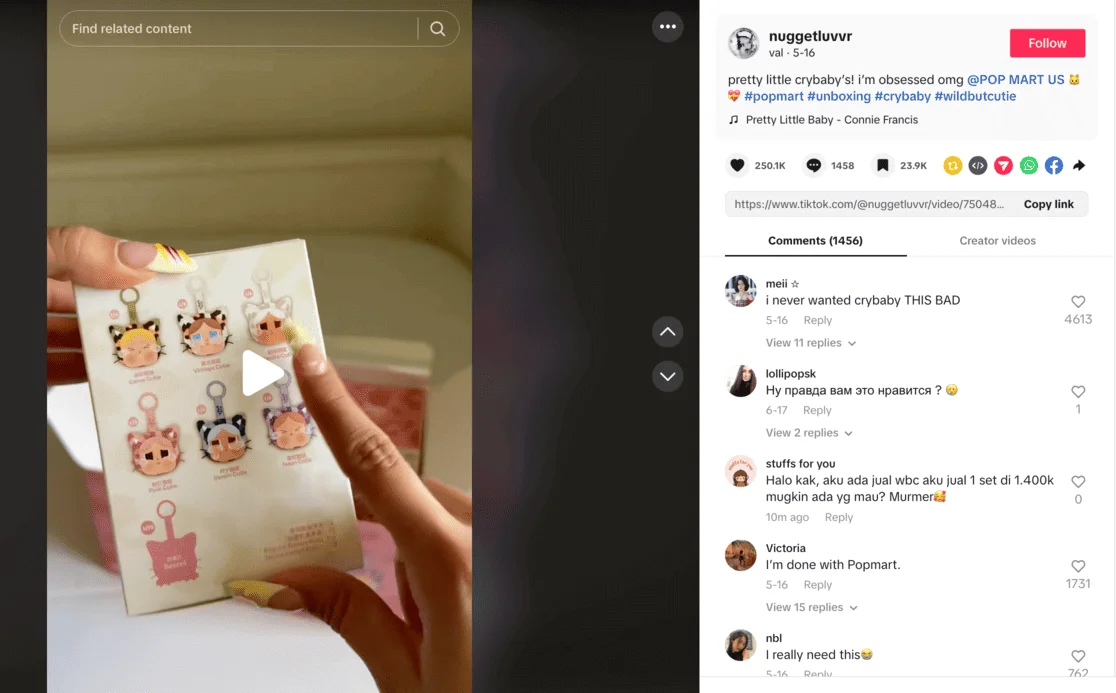
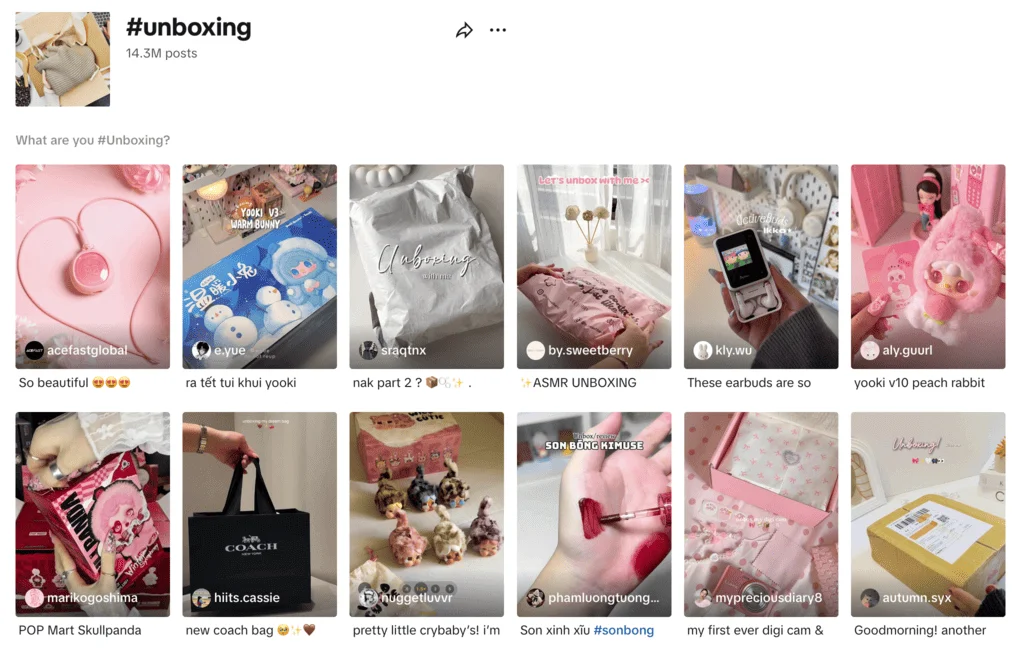
If you’ve been on the internet in the past few months, you’ve probably seen one or all of these:
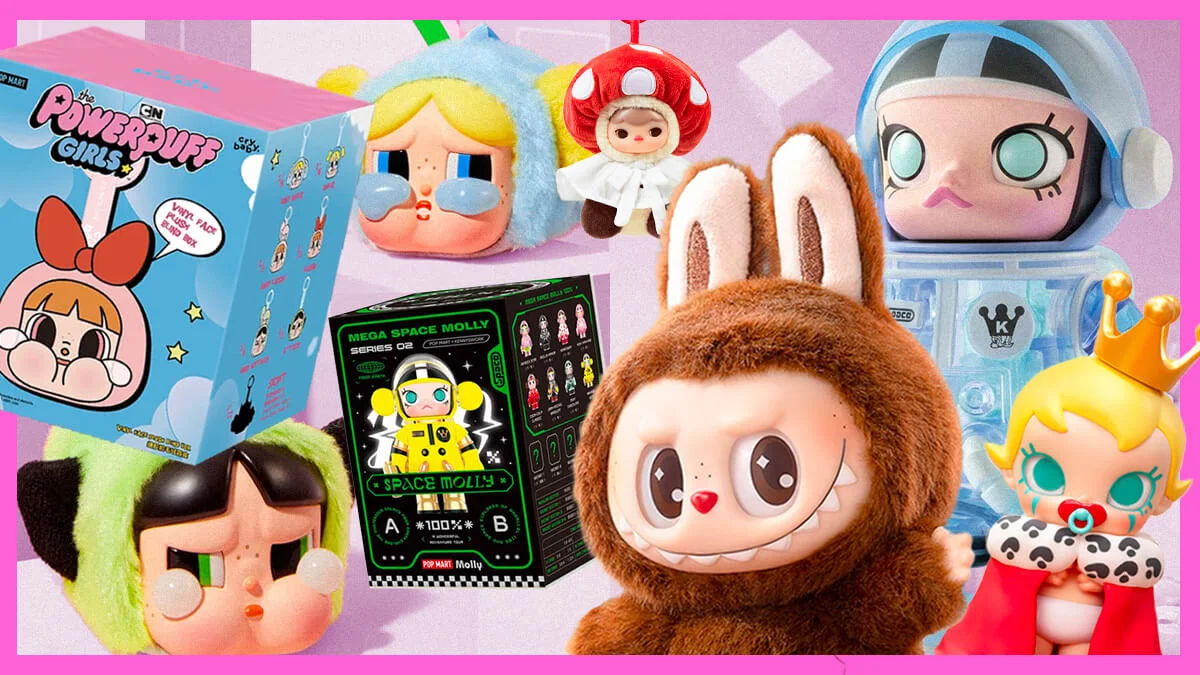
Toys are no longer for kids; they are for kidults — those older than 12 (but largely adults) who consume media or products traditionally oriented to children. Most noticeably, many have started to collect figurines, plushies, and keychains, like the ones you see in the collage above.
Some of the popular, trendy collectibles are:
- Labubu
- Smiski
- Crybaby
- Sonny Angels
- Jellycat plushies
- Calico Critters (Sylvanian Families)
- Funko Pop! Figurines
The kidult toy craze has largely originated during the Pandemic and has already affected the market. Thanks to mischievous-looking monsters called Labubu, the CEO of the toy store Pop Mart is now the 10th richest person in China. In the first quarter of 2025, toy sales for US adults grew by 12%, and they spent $1.8 billion.
Brands are eager to capitalize on the nostalgia-infused trend. Some collaborate with toy brands, like Dr. Martens x Bratz. Others, like Starbucks, create their own toy collectibles.
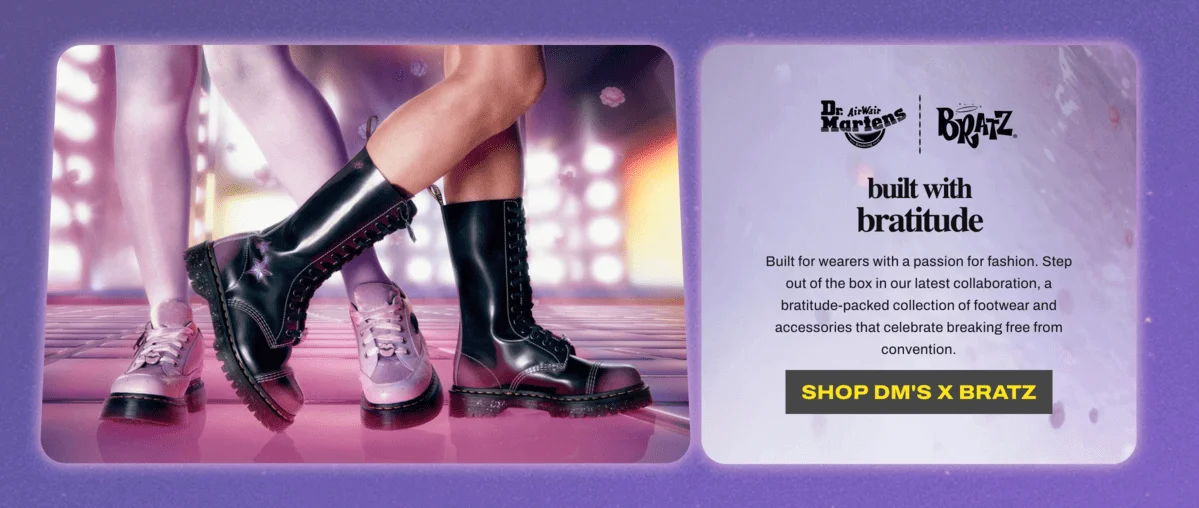
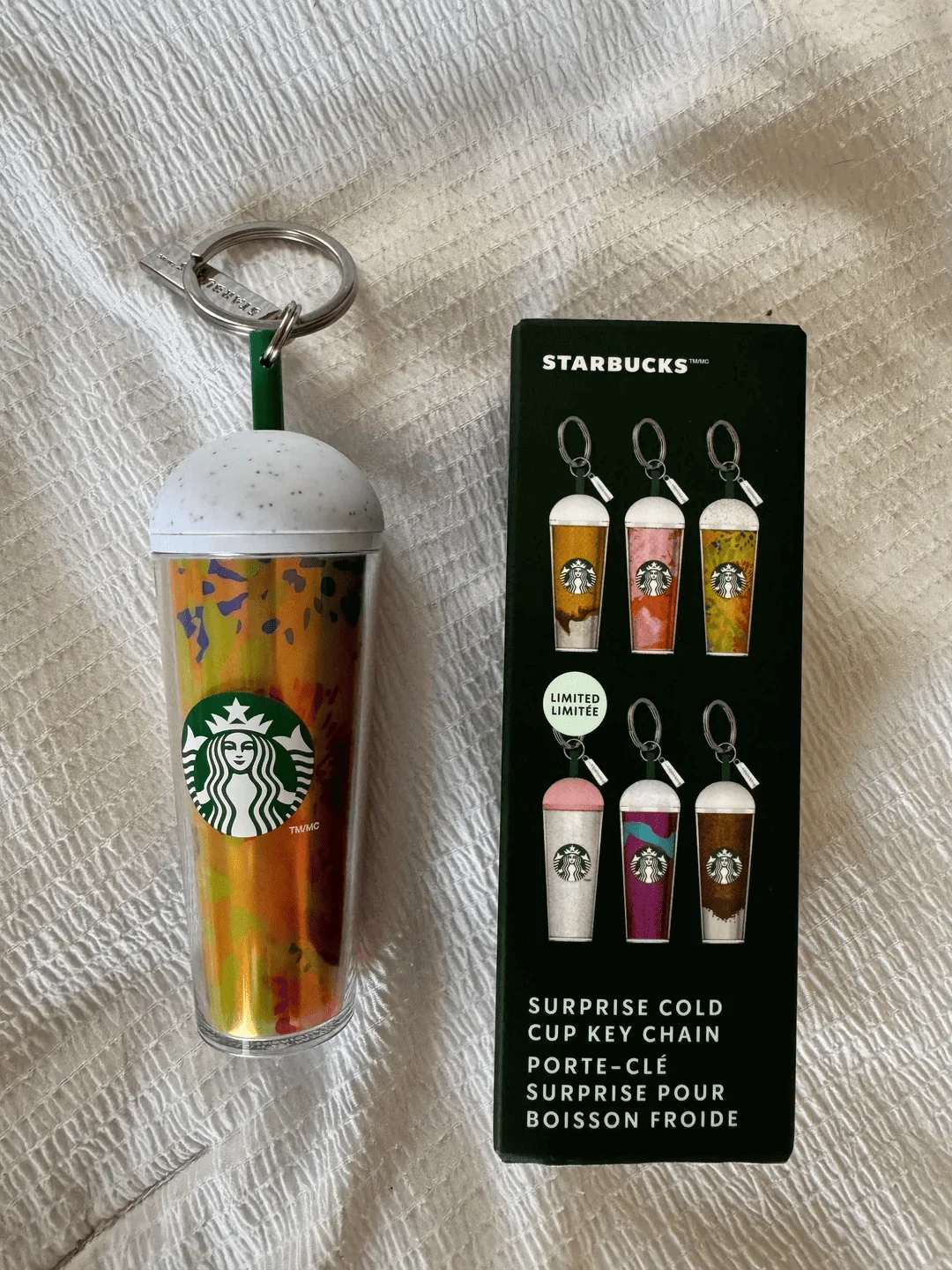
All of this makes the trend hard to ignore. And we’d argue that you really shouldn’t. Given the persistence and omnipresence of collectible toys targeted at adults, it’s here to stay.
Why are adults really into toys?
The underlying reasons for Labubu and other collectibles’ popularity are multi-faceted and complex.
First, there are psychological factors:
- Toys appeal to nostalgia. Nostalgia marketing is one of the most prominent recent trends. Every generation can’t help but reminisce, and toys are universally appealing as they remind us of our childhood. This creates a very strong emotional connection between the customer and the product.
- Collectibles bring a sense of community. In a world devastated by a loneliness epidemic, partaking in a hobby together makes people more connected.
- Blind bags give a dopamine boost. Opening a new toy, people feel a jolt of joy that can distract from a bleak reality. In a way, collectibles become a coping mechanism and a way to “heal the inner child.”
The other reasons behind the toy craze are rooted in economics:
- Collectibles are the new “affordable luxury.” Known as the Lipstick Effect, maybe we should now call it the Labubu Effect? Facing recession, consumers opt for smaller, cheaper items to treat themselves. Blind bags start at a smaller price, so they fit neatly into this category. Plus, the price appeals to younger generations who don’t yet have a lot of discretionary spending.
- Rare toys become investments. With the toys’ popularity, even the regular drops have become harder to buy, not to mention limited editions. Plus, to find the rarest figurines, customers sometimes need to purchase multiple blind boxes. All of this fuels the resale market, and people view the toys as real investments.
Marketing tactics to copy to appeal to kidults
By now, you’re probably wondering, How not to be left behind. You might not sell toys, but you can still steal some of the strategies that fuel their popularity.
Offer low-priced items
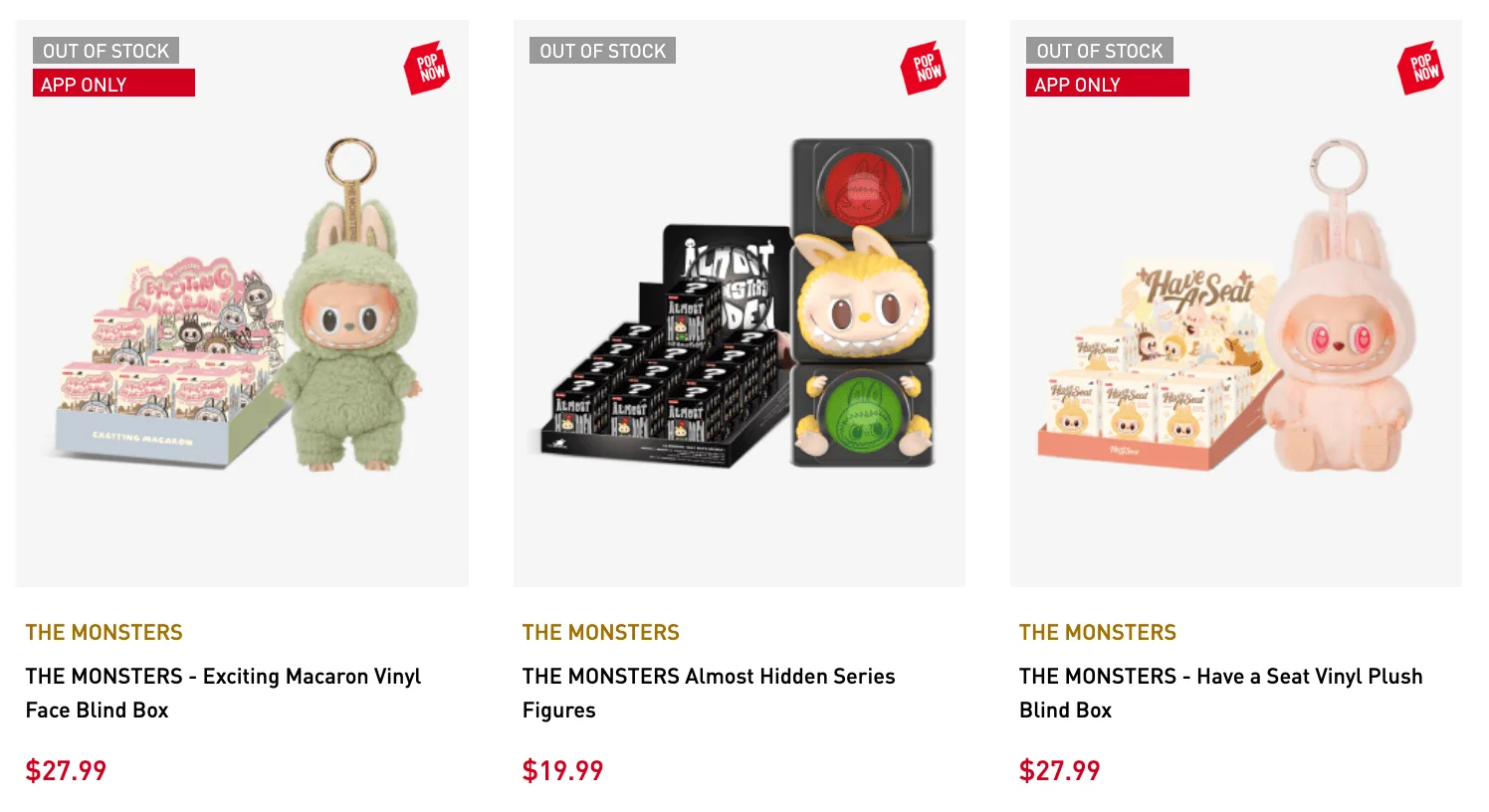
One of the biggest ways collectible toys draw people in is the low price point. It makes the purchase accessible, widens the audience, and allows customers to buy multiple items without feeling like they overspend.
Plush Labubu keychains start at $27.99, and some other Labubu collectible figurines can be just below $20.
Incorporate a sense of play across the customer journey
Use blind boxes or mystery bundles, if you can. Not knowing what they get gives customers thrilling anticipation and makes getting an item they want feel like a hunt. Add to that beautiful packaging, and you can expect a flurry of unboxing videos, which means UGC content, which means free promotion.
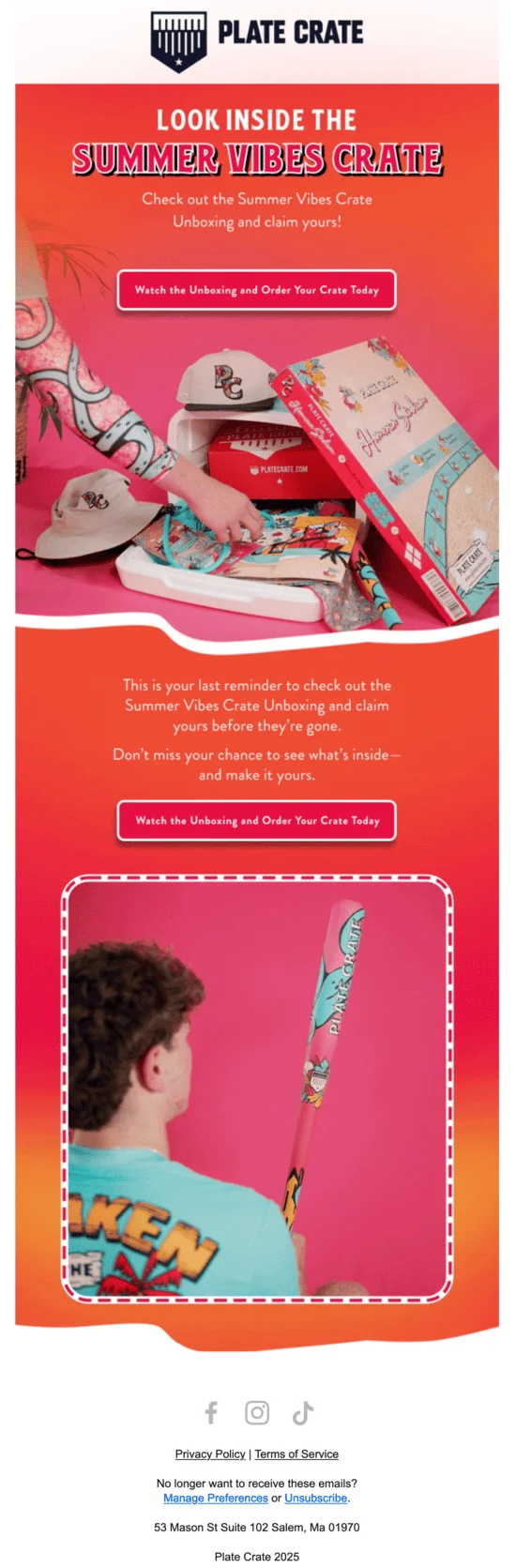
Here’s a great example you can use for your email marketing campaign. Plate Crate sent an email with a GIF showing each product in their newest box and also linked to the unboxing video.
Create bespoke products
Toy collectibles that occupy the minds of millions of people all over the world are all beautifully made. Keychains become style statements, figurines — elements of home decor, and both — expressions of personal style. The unique designs are important to make these purchases justifiable in the eyes of eco-aware consumers. Plus, it makes them more attractive.
You can go a step further and tap into weirdness and even ugliness. Although widely popular, Labubu and Sonny Angels are considered unappealing by a sizeable chunk of internet users. Figurines without pants, ugly crying babies, and bold green creatures are all examples of interesting but somewhat alienating designs. But that’s exactly what makes them memorable and lovable.
If you aren’t quite ready to go that far, think about collaborating with artists or designers.
Embrace exclusivity
Although affordable, don’t forget that adults buying collectibles also consider them a luxury. Using limited editions and rare options creates scarcity and FOMO, not unlike those associated with Birkin bags.
You can also release location or store-specific items to create even more friction and make your customers even more eager to get their hands on the products.
One of the original collectibles brands, Funko serves as a great example of this strategy. In the email below, the brand uses several techniques:
- Emphasizing scarcity by listing the number of figurines left
- Pressuring subscribers to act fast by mentioning that the first three drops sold out in under five minutes
- Promoting exclusive membership
- Showcasing the authenticity certificate and display case to emphasize value

Tap into nostalgia
Kidults are all about reminiscing and connecting with characters they liked back in the day. To use nostalgia marketing, collaborate with toy brands, or make campaigns with the 90s or even 2000s design aesthetics.
Wondering what a nostalgic collab may look like? We found a perfect example to show that kidult marketing is a versatile approach that can work even for luxury products. In this email, Spinnaker Watches promoted the Popeye collaboration watches, $395 each. With the playful design reminiscent of a beloved cartoon, these limited editions are exactly what can draw kidults in.

For a similar nostalgic luxury approach targeted primarily at women, look no further than Pandora. In the email below, the brand promoted the collection with Disney’s Up.

Use celebrity endorsements
Labubu became extra popular in no small part because of Rihanna, Lisa from Blackpink, and Dualipa. Your goal is to create a product so great that even the stars will want to pick it up!

And if you can’t quite get to the A-listers, consider influencer collabs and sending PR to niche creators.
How does email marketing play into this
Email is one of the best channels to use when it comes to kidult marketing. After all, it’s the preferred band communication channel for 69% of consumers. The inbox one-to-one communication also feels more personal and can really create a sense of an exclusive collectors’ community. Plus, with email’s automated sequences, early access, and pre-launch promotions, brands can build a strong sense of excitement and anticipation.
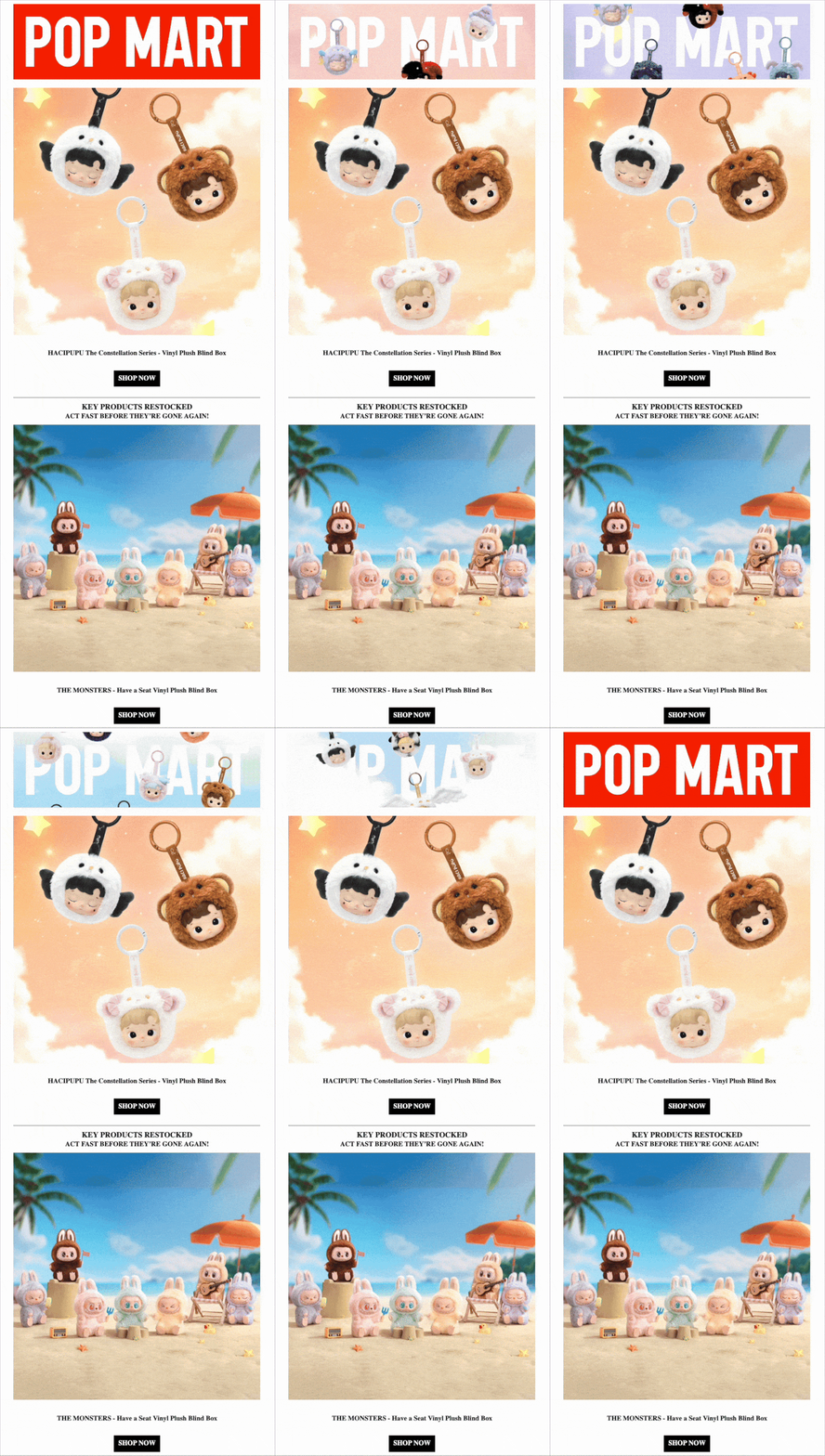
We’ve showcased some great examples throughout the article, but let’s get into some more details. Here are some email campaign tips you should follow to make your messages effective and appealing:
- Use fun designs and interactive elements like GIFs or employ gamification. Make your emails as enjoyable to open and read as blind boxes.
- Create launch email sequences to gradually build excitement and send automated cart abandonment and re-engagement campaigns to get more conversions.
- Segment your customers and send exclusive pre-launch emails to your VIP customers. The promise of the earliest drop notices can be your biggest bid for subscriptions.
- Go omnichannel and engage customers exactly when and where they will be most likely to convert.

Good kidult-oriented marketing examples
Kidult, nostalgia-infused campaigns are more and more common. Look around, and you’ll probably find at least a dozen! We’ve picked two of the recent ones for your inspiration.
LEGO
LEGO is a brand with a rich history and a dedicated following. On top of expanding its product range to interior design-oriented products with its Botanical Collection and mosaics, the company also released sets inspired by classic ones.
For example, for all the Castle theme fans, the company created a $400 Lion Knights’ Castle.
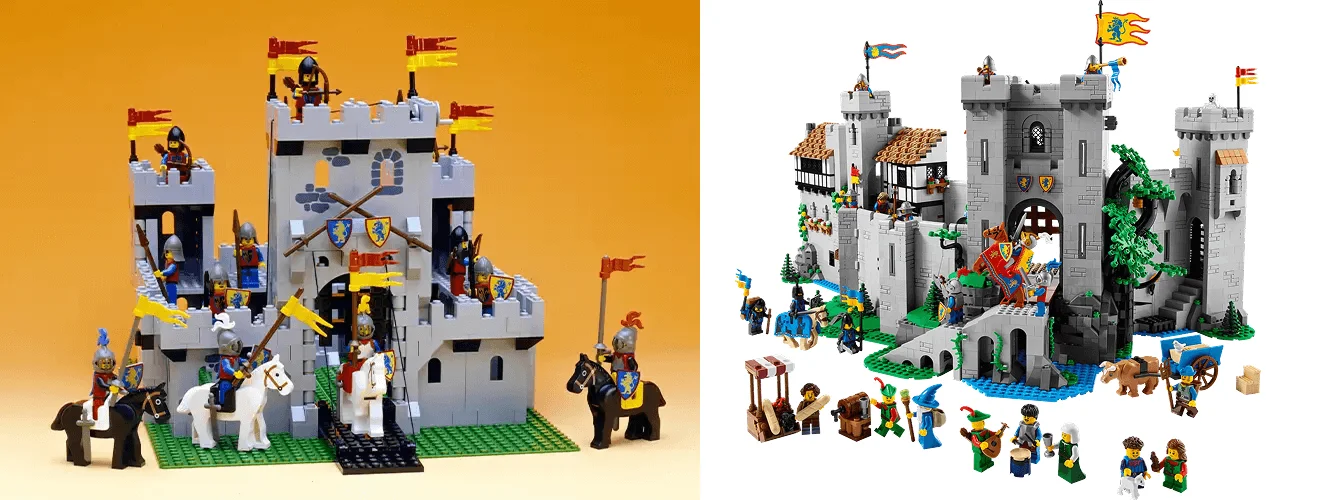
It’s a great example of capitalizing on legacy, attracting collectors, and using nostalgia.
Airbnb x Polly Pocket
The collaboration between an online accommodation marketplace and a beloved doll sounds made up, but it really happened in 2024. For a limited time, people were able to book a stay at a life-sized Polly Pocket Compact and be transported into the toy world.
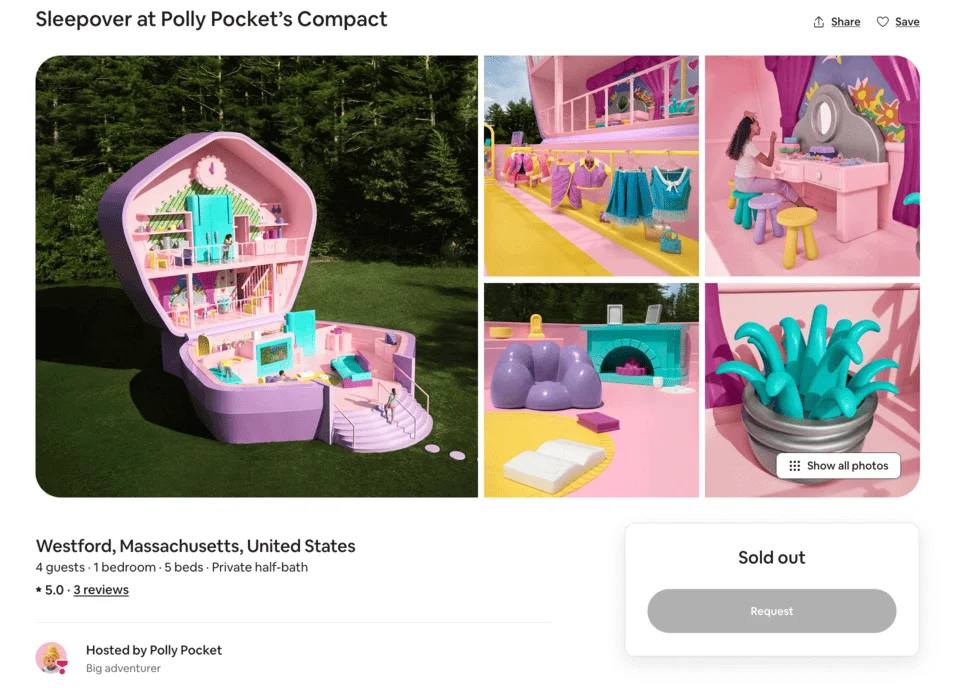
This project can be an inspiration for any digital company looking to venture into kidult marketing and get a lot of media mentions.
Conclusion
Adults all over the world are stressed, financially insecure… and finding solace in collectible toys. If this year is anything to go by, the kidult marketing trend is here to stay.
So, here’s how you can put it to good use:
- Offer low-priced items.
- Make the experience playful.
- Create unique products.
- Embrace exclusivity and scarcity.
- Appeal to nostalgia.
- Use celebrity endorsements.

 New and noteworthy on our blog