


Key takeaways
- Transactional SMS are messages sent in response to a user action, providing necessary information like password reset codes or order confirmations.
- They are triggered by user actions, informational, time-sensitive, and expected by recipients.
- Businesses must follow local regulations but separate consent is often not required for transactional messages.
- Transactional SMS are powered by backend systems, triggered by events, and use application-to-person messaging.
- Different types of phone numbers like long codes, short codes, and alphanumeric IDs are used for transactional messaging.
Ever received a text from your bank after paying online? This is an example of transactional SMS messages. They’re incredibly common and very useful to both businesses and customers.
In this article, we’ll discuss what transactional SMS are, what sets them apart from marketing comms, the most common types and best practices.
What is transactional SMS?
You’ve likely received transactional SMS messages before. Here’s a clear definition:
Transactional SMS is a message that is sent in response to a user action or event. Its purpose is to deliver necessary information rather than promote something. For example, such messages include password reset codes, order confirmations, and appointment reminders.
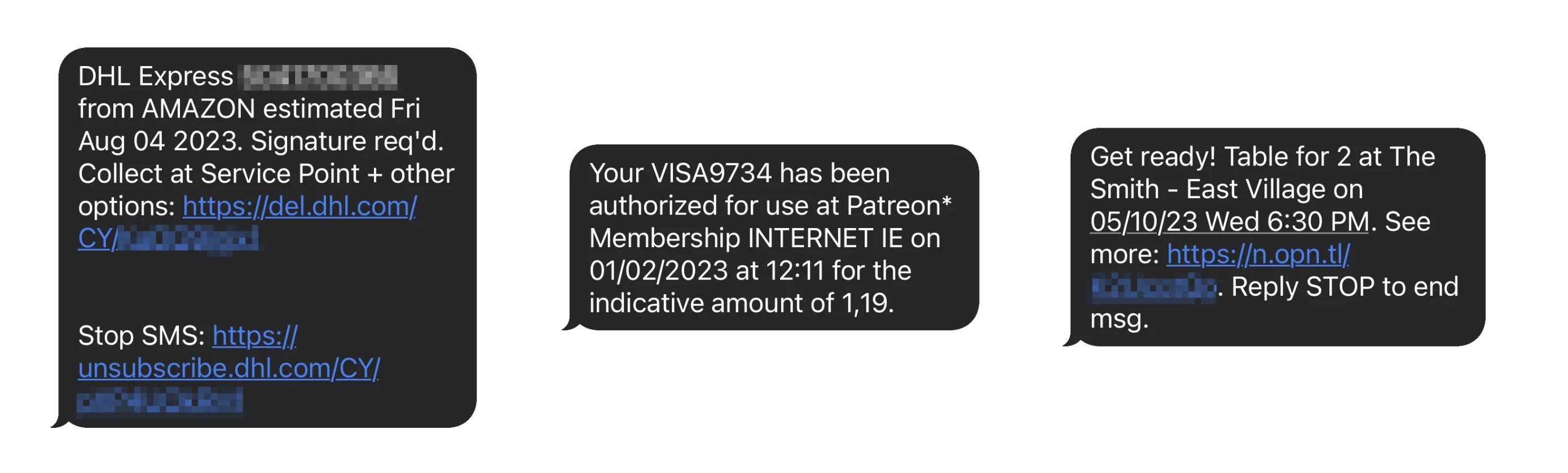
Here are some key characteristics of transactional SMS:
- They triggered, not scheduled. For example, when a user resets a password, a text message gets sent to their phone.
- They’re informational. The purpose of transactional SMS is to inform the customer of something specific and crucial.
- They’re time-sensitive. Transactional SMS messages are usually expected immediately, and delays can make them less useful or even irrelevant.
- They’re expected by the recipient. Since these messages are sent in response to a user’s action, the recipient is already waiting for them and knows their purpose.
| Transactional SMS | Promotional SMS | |
| Trigger | Triggered by user action | Initiated by the business |
| Purpose | Informational, tied to event | Marketing |
| User expectation | Expected by recipient | Optional |
| Timing | Sent in response to real-life events | Campaign-based |
| Relevance | Directly related to recipient’s activities | General promotion |
It’s important to reiterate that transactional messages are not campaign-based unlike bulk messaging. And since they’re triggered by user actions, separate consent is often not required. That said, businesses must still follow local regulations and messaging rules.
How transactional SMS works
Transactional SMS is powered by backend systems, not manual sending. We already know they are triggered by events inside apps or websites. So, there’s infrastructure, logic, and delivery mechanisms involved.
Application-to-person (A2P) messaging explained
A2P means messages sent from an application/system to a user (vs P2P — person to person). There is no human sender involved and this model is used by businesses, and various platforms and services.
Businesses that send SMS usually do so at scale, which means they not only need to be automated, but also instant and reliable — hence the need for A2P. It’s integrated with backend systems such as CRM or email service providers (directly or via integrations). These platforms connect apps/websites with SMS delivery infrastructure and they allow you to set up and manage this communication without building everything from scratch.
Systems and triggers behind transactional SMS
If you’re an email marketer, you’re familiar with transactional emails.
Transactional SMS works the same way: you have an event or a predefined condition that triggers a chain reaction. Once it happens, it launches a workflow, such as a password reset. The basic flow goes a little like this: a user performs an action, the system detects the event, the trigger is activated, SMS is generated, and it’s sent to the user.
Types of phone numbers used for transactional messaging
How you send matters as much as what you send. Transactional SMS is not sent from personal phone numbers. Businesses use dedicated sender types to deliver messages. The sender type affects deliverability, compliance and even your reputation.
There are three main types of identifiers for senders:
- Long codes (standard-looking phone numbers). These numbers can receive replies and are commonly used for customer support. Not the most common type.
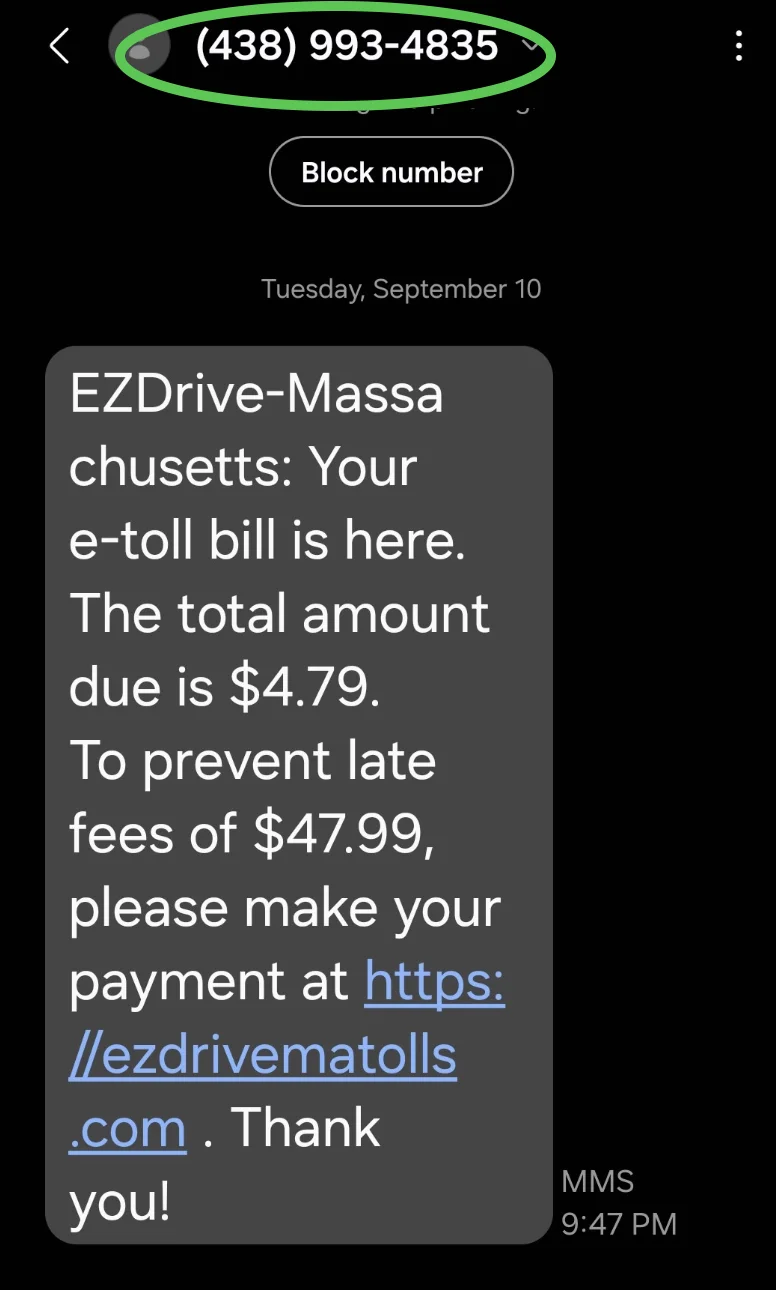
- Short codes (5-6 digit numbers). These were designed for high-volume messaging. They ensure swift delivery and are commonly used by banks. They also tend to be more expensive and regulated.
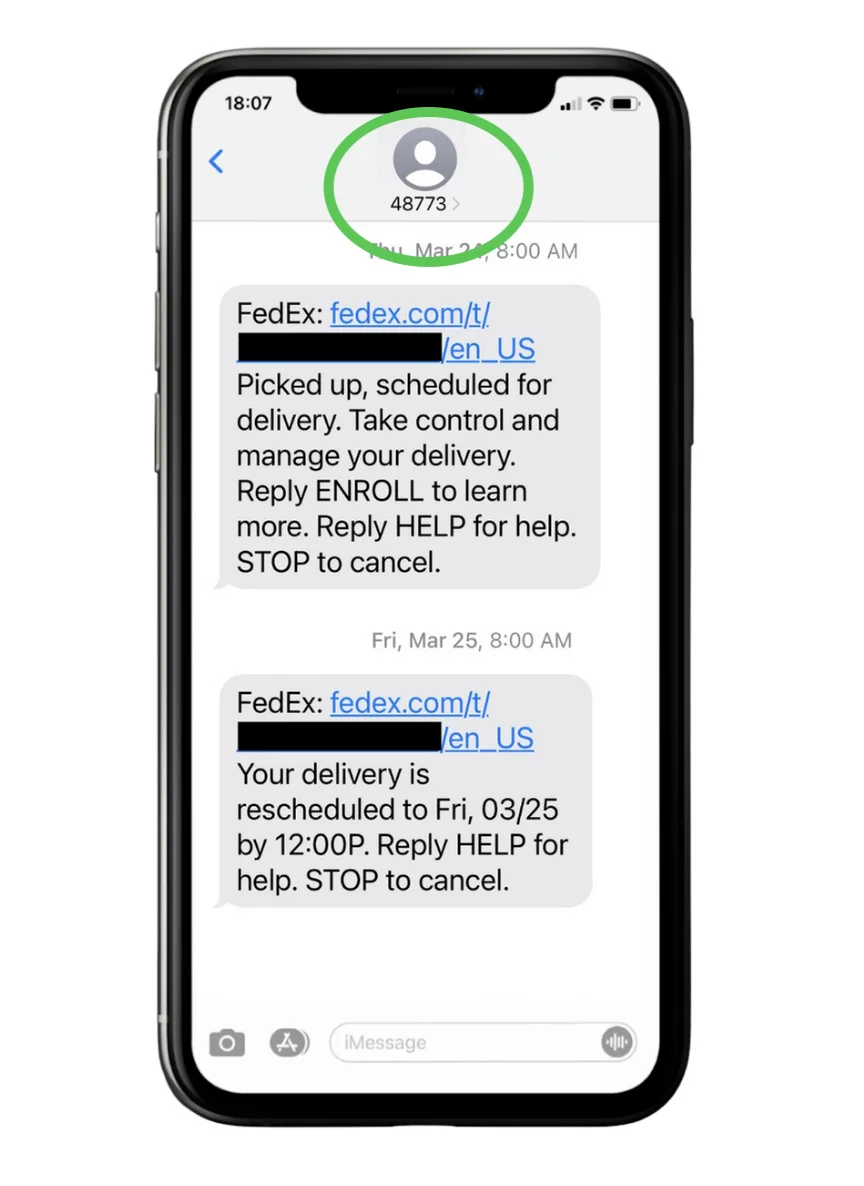
- Alphanumeric ID. The sender appears as a brand name instead of a number, such as “YourShop”. This type of ID tends to only allow one-way messaging and is used for notifications and alerts. It has very strong advantages, like a recognizable sender name and consistent branding.
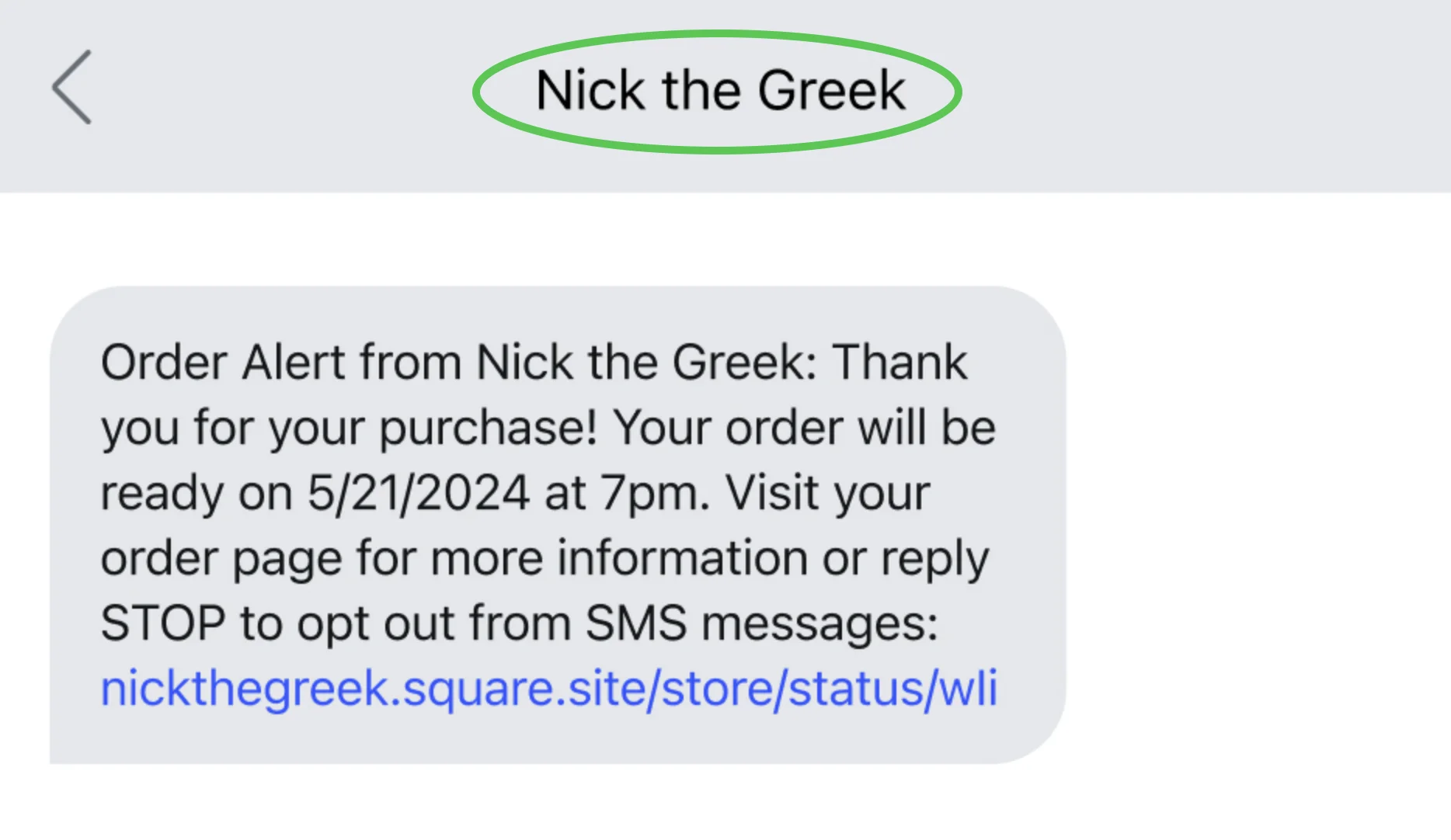
There’s also a compliance aspect to consider. In many cases, you need to register your sender name and make sure you have the user’s consent to receive messages. Requirements can vary depending on the country and mobile operator, but many messaging platforms help handle these steps for you.
Transactional SMS metrics
Even though transactional SMS is not marketing, it’s still important to monitor performance. You want to make sure messages are delivered and work as intended. Here are some core metrics to track:
- Delivery rate. This is the percentage of messages delivered successfully. It can help you identify routing problems, invalid numbers, or issues with compliance.
- Delivery time. This metric tells you how quickly your messages are delivered, which can be crucial with transactional SMS.
- Response rate (when relevant). If your message includes a prompt or a call to action, this metric tells you whether users complete the expected action.
Benefits of transactional SMS for businesses
While use cases vary across industries, businesses benefit from transactional SMS in similar ways:
- High open and response rates. Transactional SMS messages are usually expected, so people open them almost immediately — according to research by EZ Texting, open rates for SMS tend to be as high as 98%. When action is required, responses also tend to be quick.
- Instant delivery and real-time communication. SMS is delivered within seconds, making it great for time-sensitive updates like verification codes or delivery notifications.
- Improved customer experience and trust. Clear, timely updates reduce uncertainty and help customers feel informed and in control, especially during important moments like payments or deliveries.
- Automation and operational efficiency. Once set up, messages are sent automatically based on predefined events, reducing manual work and ensuring consistent communication.
Common types of transactional SMS messages
Here are some of the most common types of transactional SMS used by businesses today.
Authentication and security messages
These are SMS used to verify identity and secure access. They’re typically triggered during login, registration, or sensitive actions. The main idea here is to protect accounts and verify user identity.
Common triggers include account registration, login attempt, password reset, and suspicious activity detected.
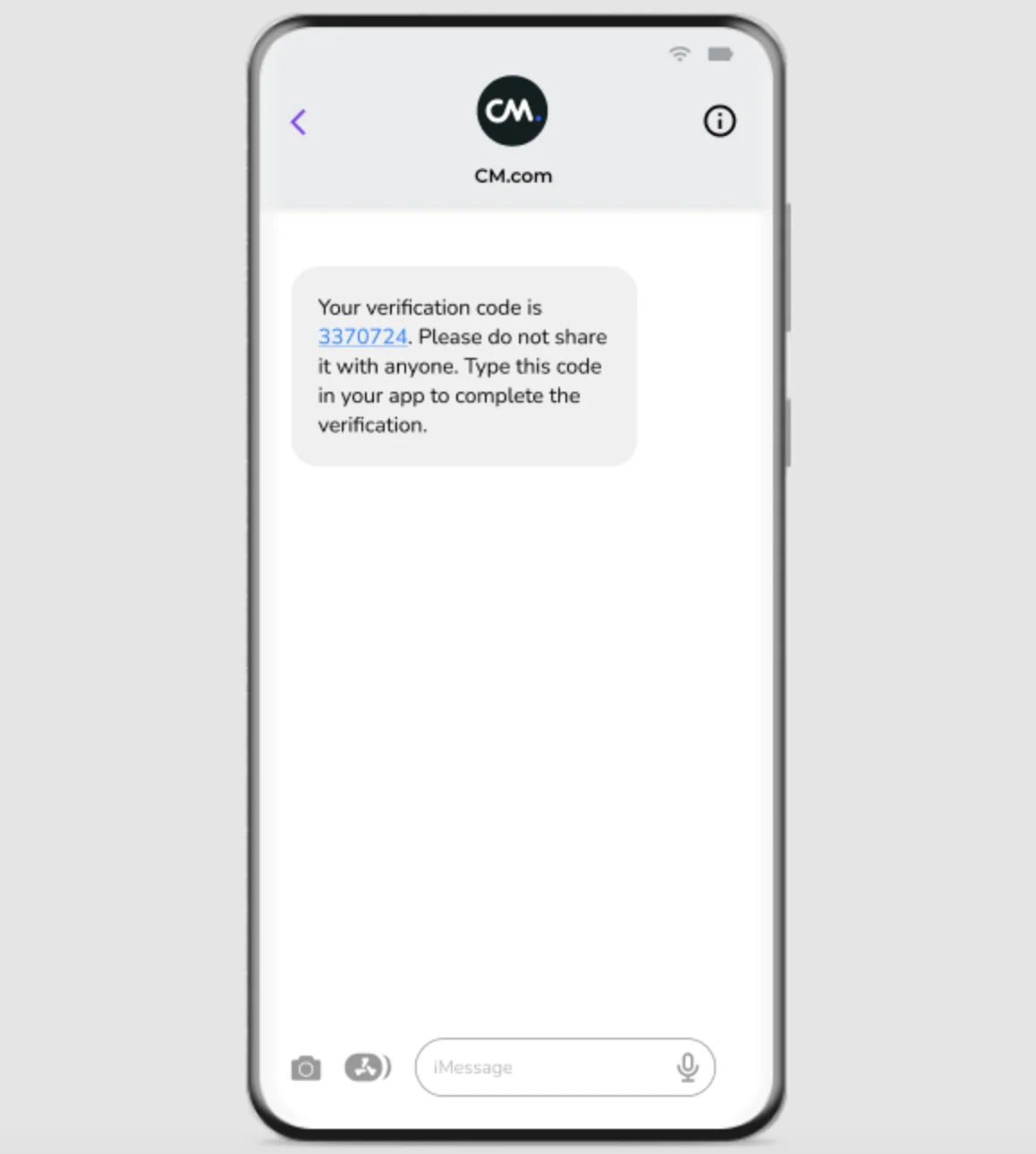
Common message examples include one-time passwords, verification codes, login alerts etc. For example, the message below is an example of a transactional SMS to complete two-factor verification.
Order, payment, and billing notifications
These are SMS used to confirm transactions and keep customers informed about orders and payments. They tend to be triggered during purchase, payment processing, or billing events. The main point of these is to provide clarity around transactions.
Here are some of the most common triggers for messages of this kind: order placed, payment confirmed, payment failed, subscription charged
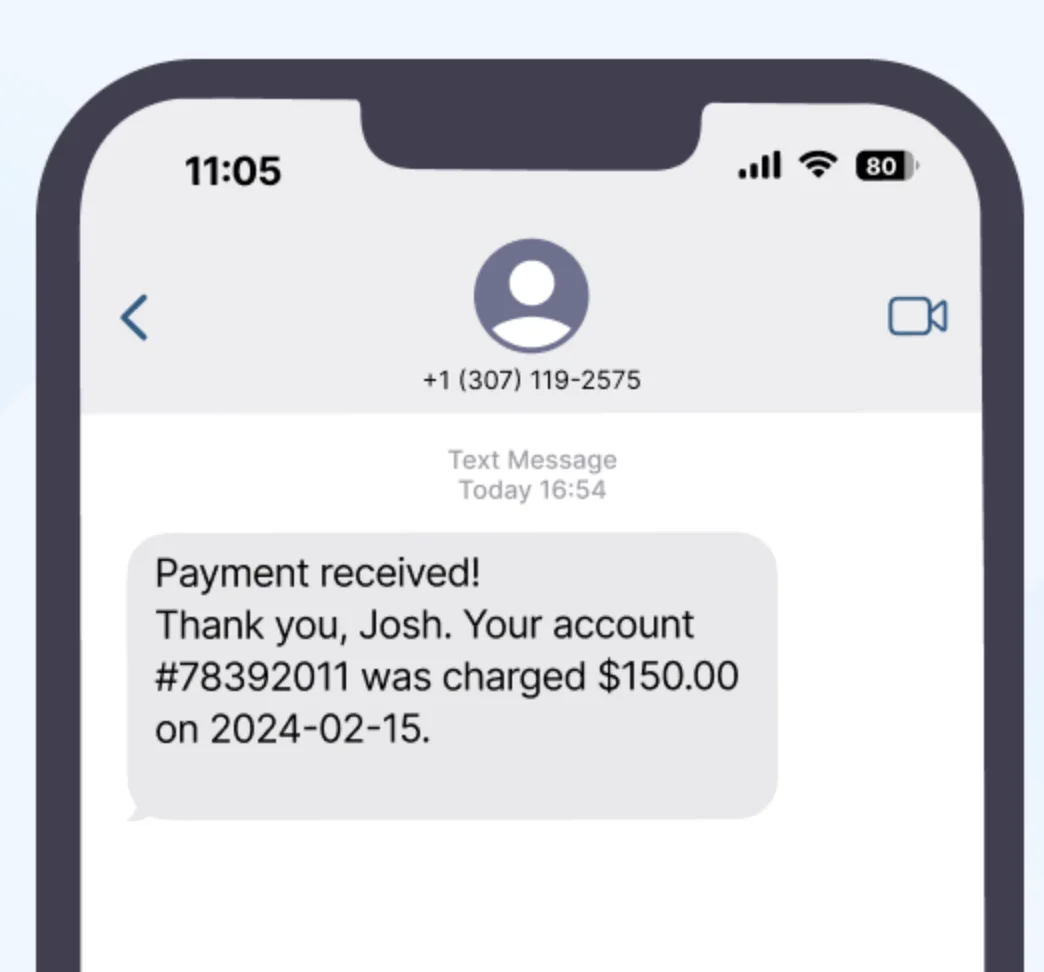
Common message examples include order confirmations, payment receipts, etc. Check out a text message containing billing information below.
Appointment and booking confirmations
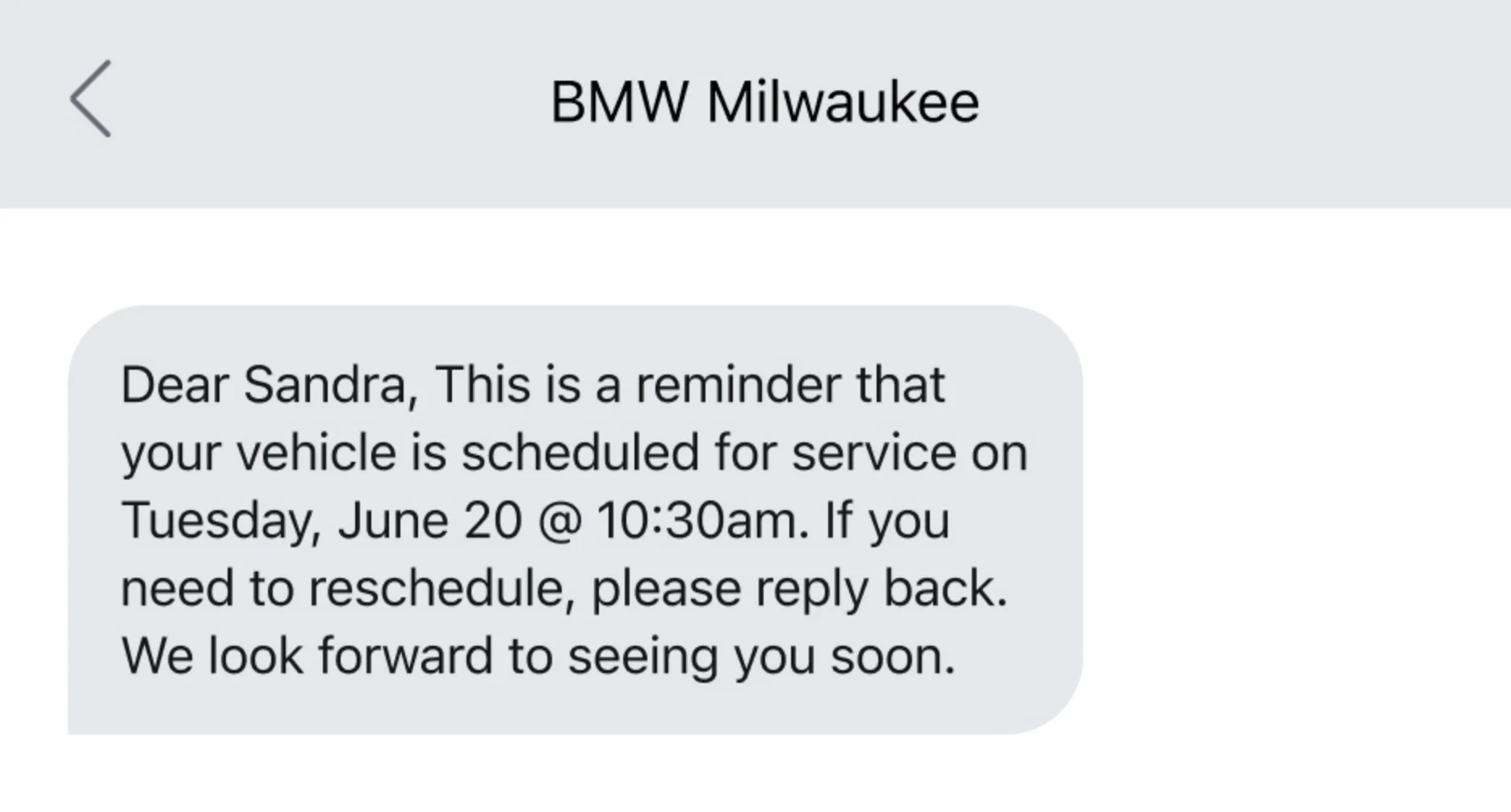
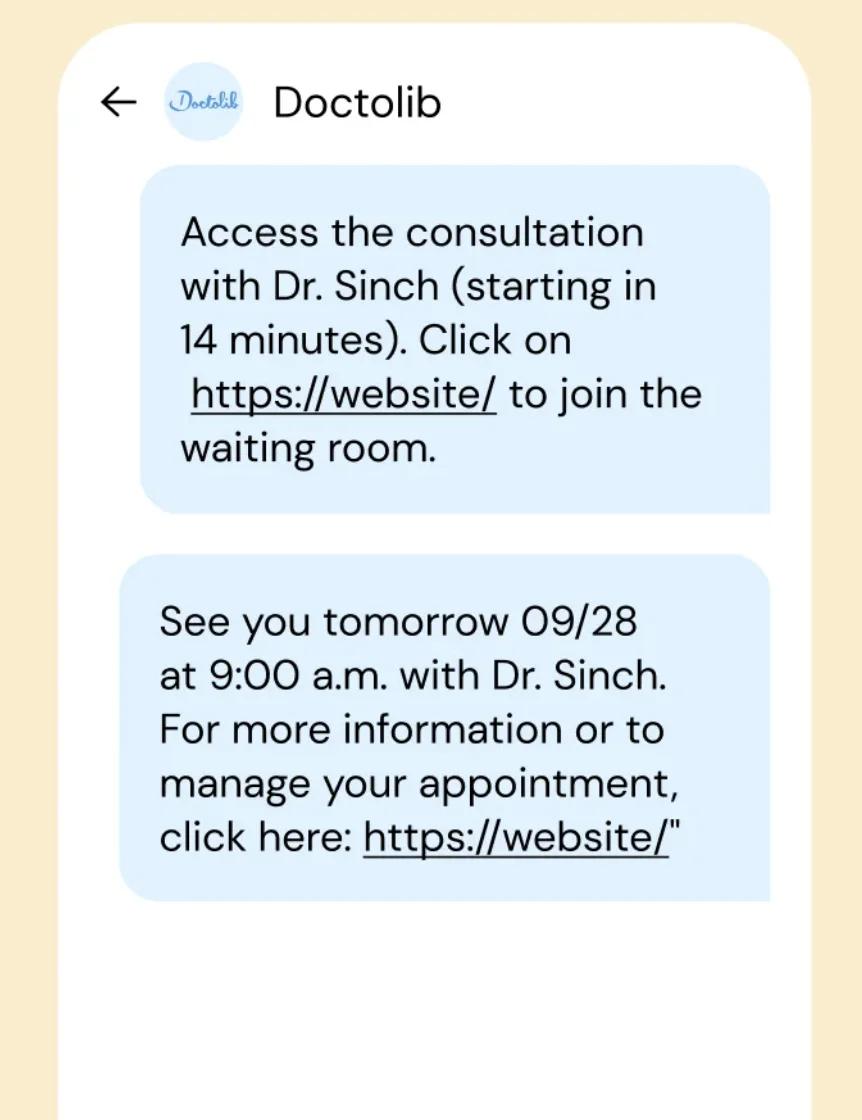
This type of transactional SMS is used to confirm appointments and bookings, as well as to keep customers informed about schedules. They often include date and time, location or link. The goal is to ensure attendance.
Common triggers are: appointment booked, booking confirmed, appointment reminder, schedule changed, and appointment cancelled.
Booking confirmations, reminders, cancellation or rescheduling alerts are the most common types of messages that fall in this category.
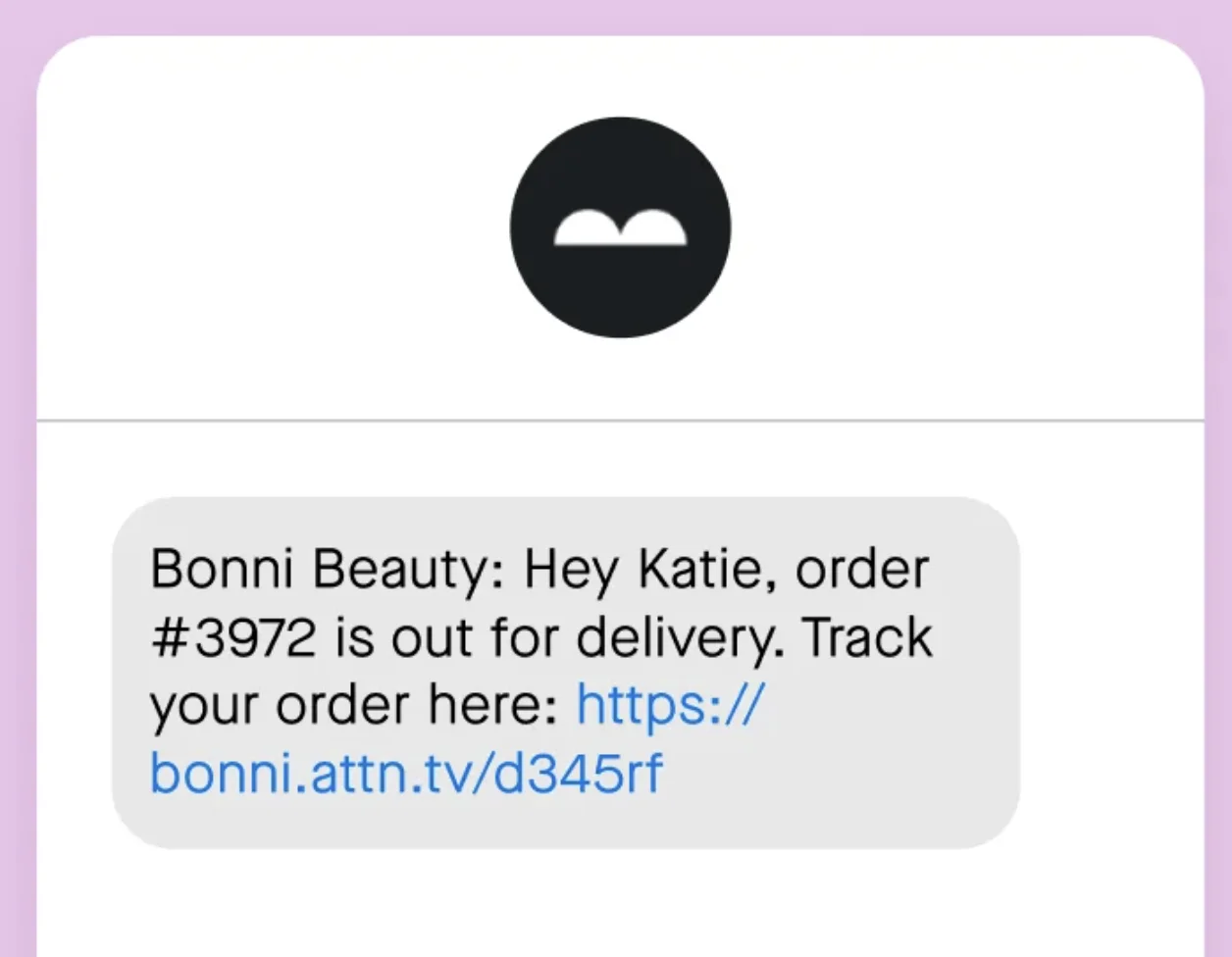
Delivery and shipping updates
These text messages are used to inform customers about delivery and shipping status. They often include tracking links, courier details and are triggered when an order moves through fulfillment and delivery stages. They aim to keep customers informed and reduce uncertainty about the delivery process.
Common triggers include order shipped, out for delivery, delivery failed, and order delivered.
Message examples: shipping confirmation, tracking updates, and delivery notifications.
Account and service notifications
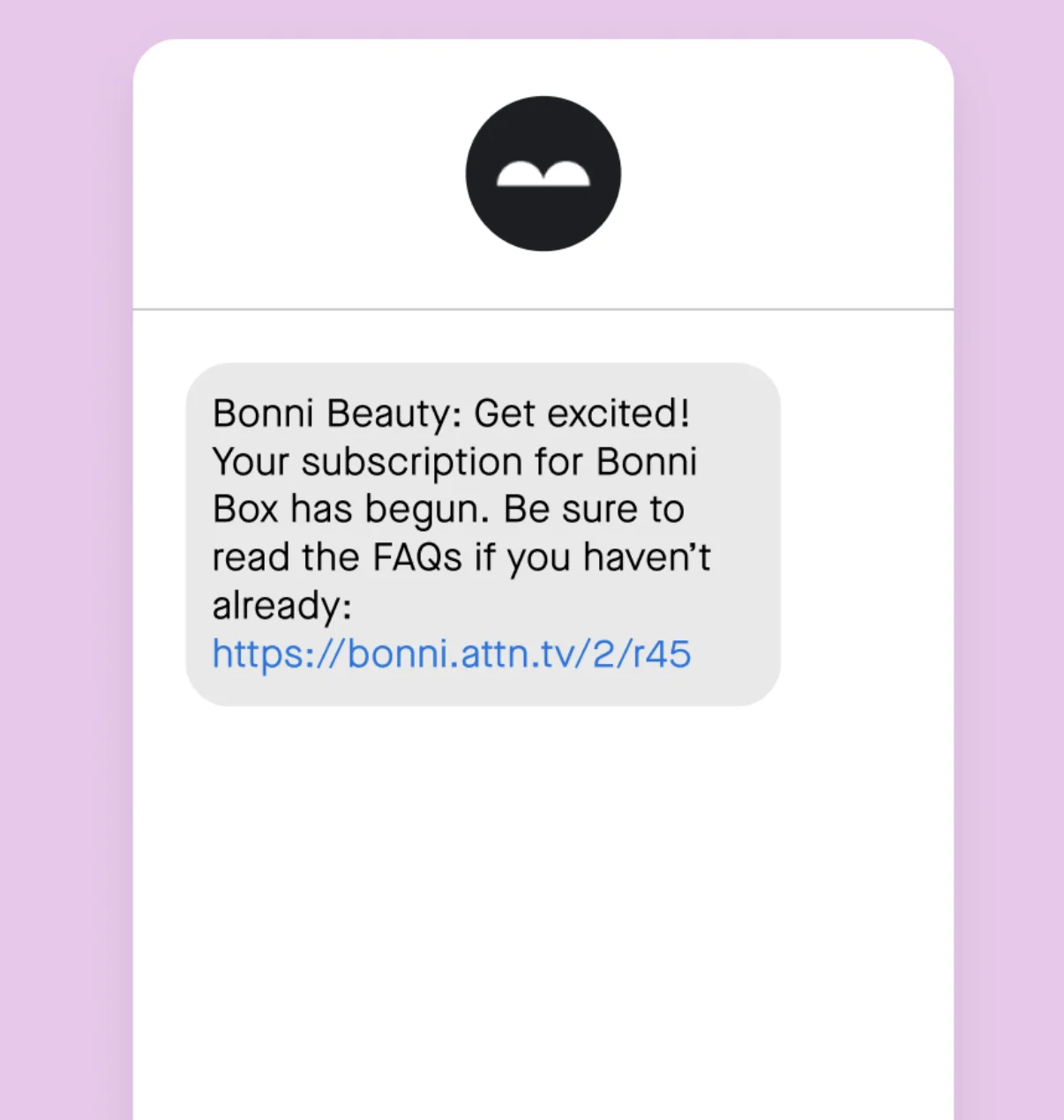
These SMS are used to inform customers about account activity and service-related updates. They are triggered by changes in account status or service usage.
Common triggers are as follows: account updated, subscription activated, service interruption or outage, usage threshold reached, and other important account alerts.
Message examples: account update notifications, subscription alerts, service status notifications, and balance alerts.
Transactional SMS use cases for businesses
Here’s how transactional SMS is used by different types of businesses.
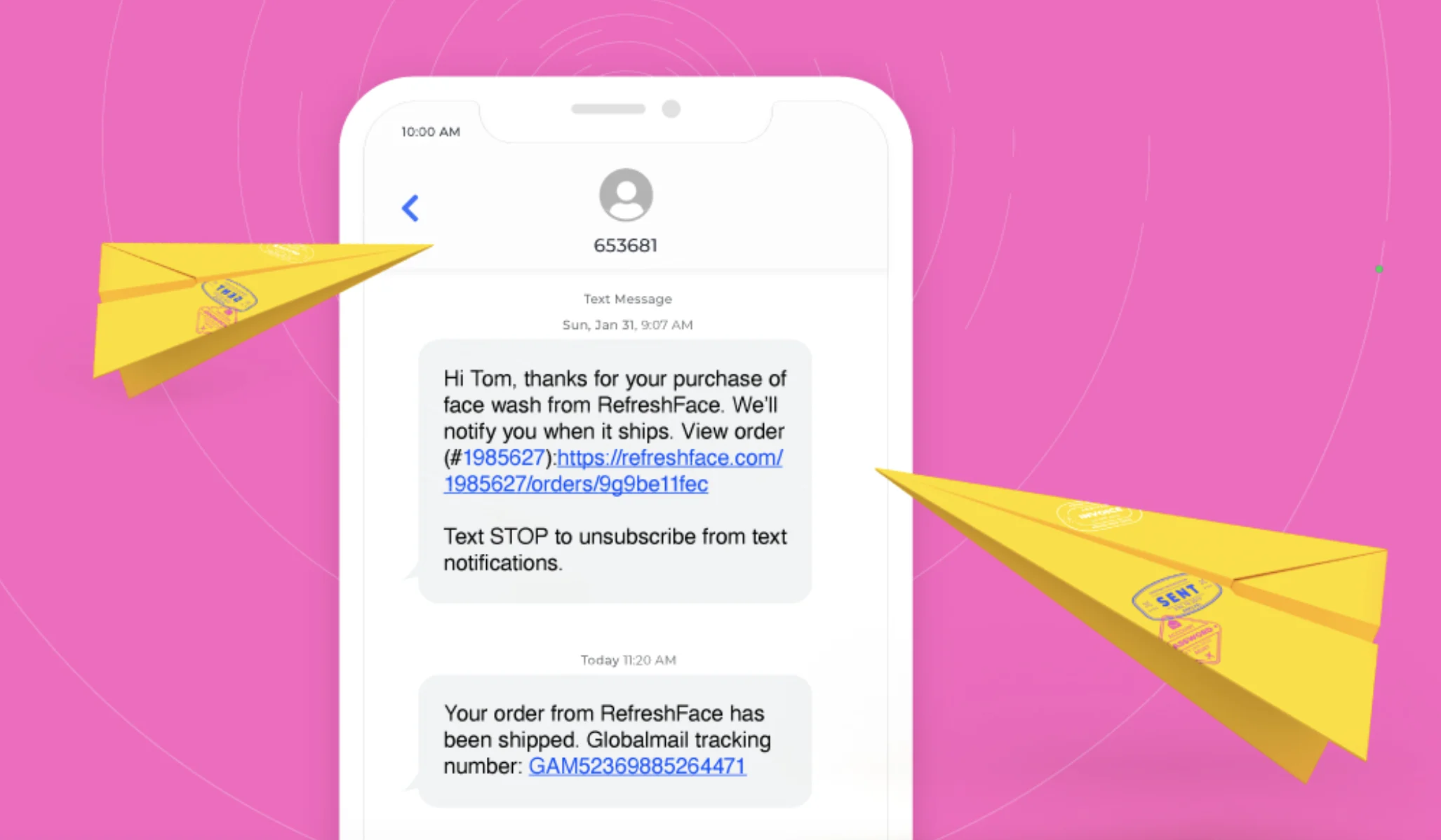
E-commerce and online retail
E-commerce businesses rely heavily on transactional communication throughout the customer journey. SMS is used to keep customers informed at every stage of the purchase process.
Here are the key moments in the customer journey and transactional SMS types used:
- Pre-purchase: account verification, login or security alerts
- Purchase: order confirmation, payment confirmation
- Fulfillment: order status tracking, delivery updates
SMS works here because customers actively wait for updates. It reduces uncertainty and reliance on customer service — customers don’t need to reach out to a representative to ask for updates. Basically, it improves efficiency for both customers and support teams.
Banking and financial services
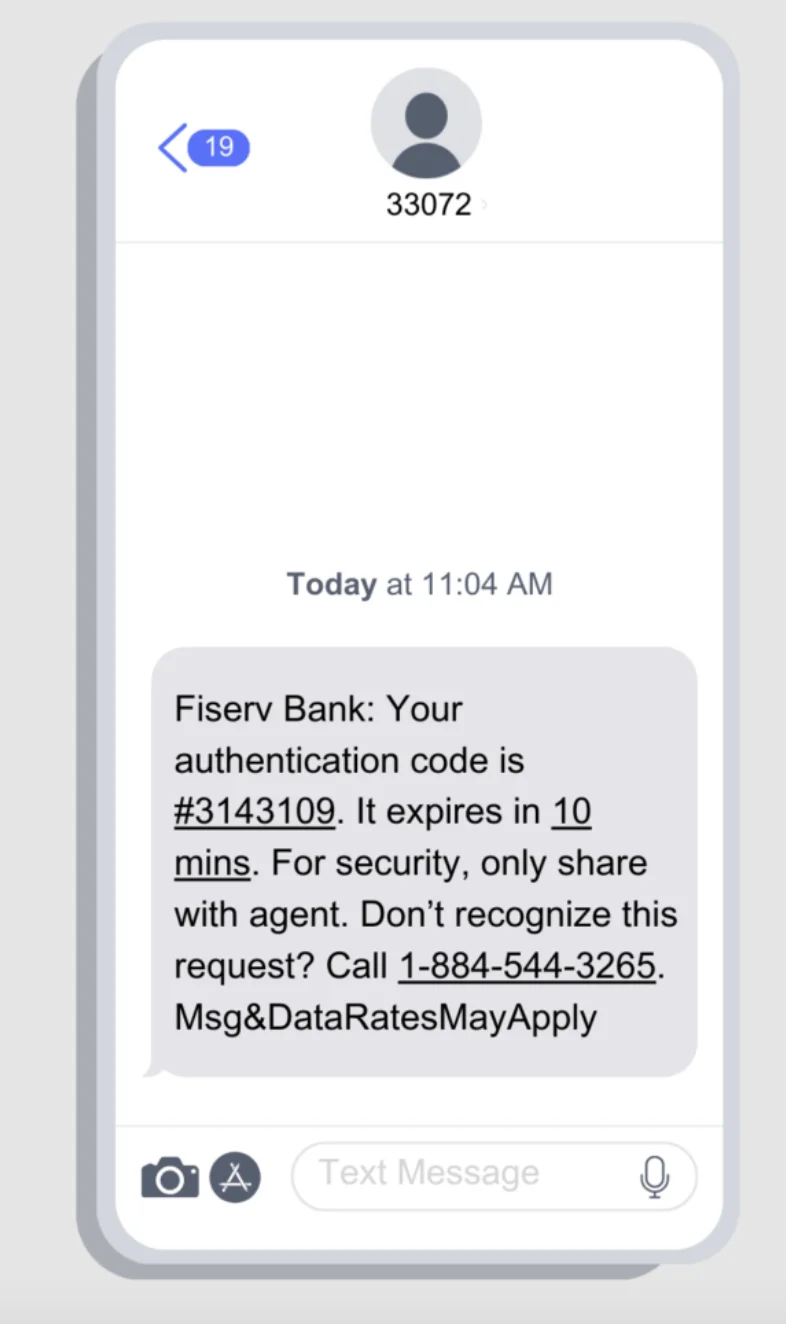
Financial services rely on real-time, high-trust communication, so SMS is a perfect fit for this industry. Text messages are used to deliver critical updates related to transactions and account activity. Speed is critical and SMS can even help prevent fraud.
Key moments in the customer journey:
- Authentication and security: login verification (like two-factor), suspicious activity alert
- Transactions: payment confirmation, transaction alerts, 3D Secure
- Account activity: balance updates, low balance alerts, credit limit notifications
- Billing and obligations: payment due alerts
Travel, hospitality, and booking platforms
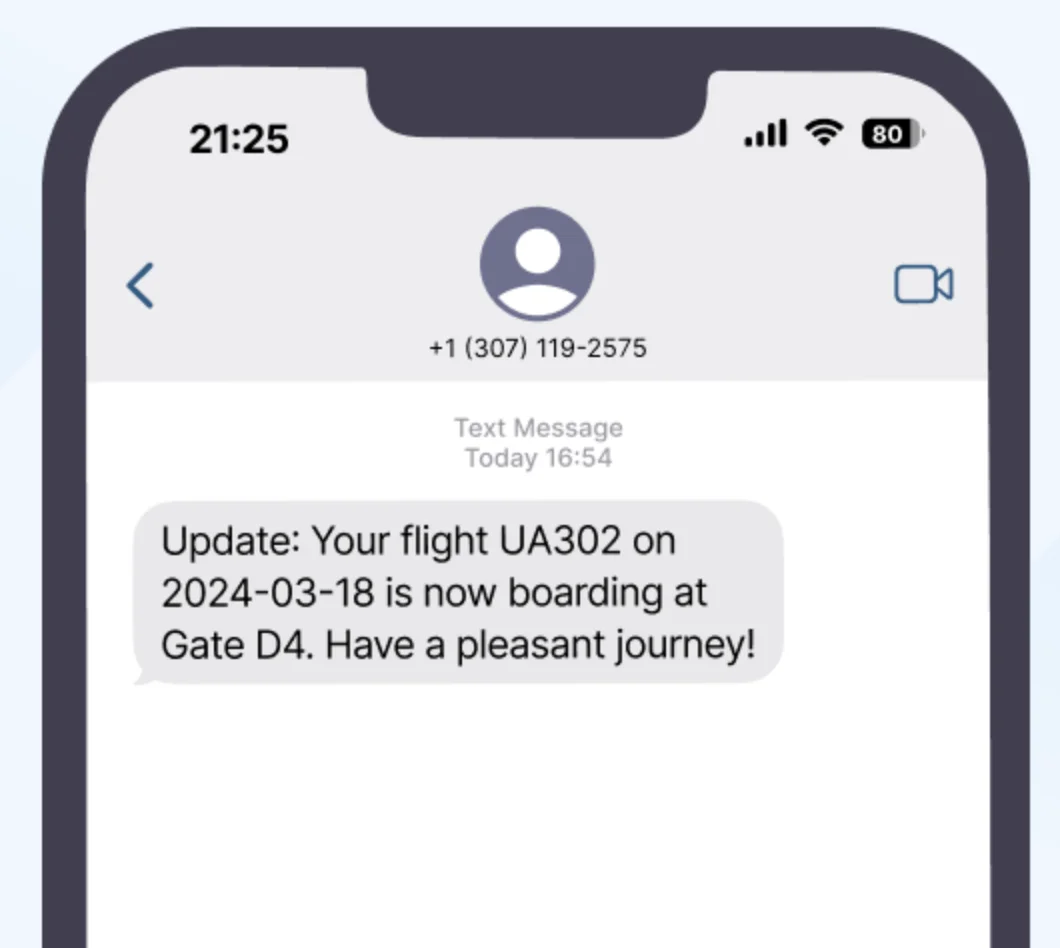
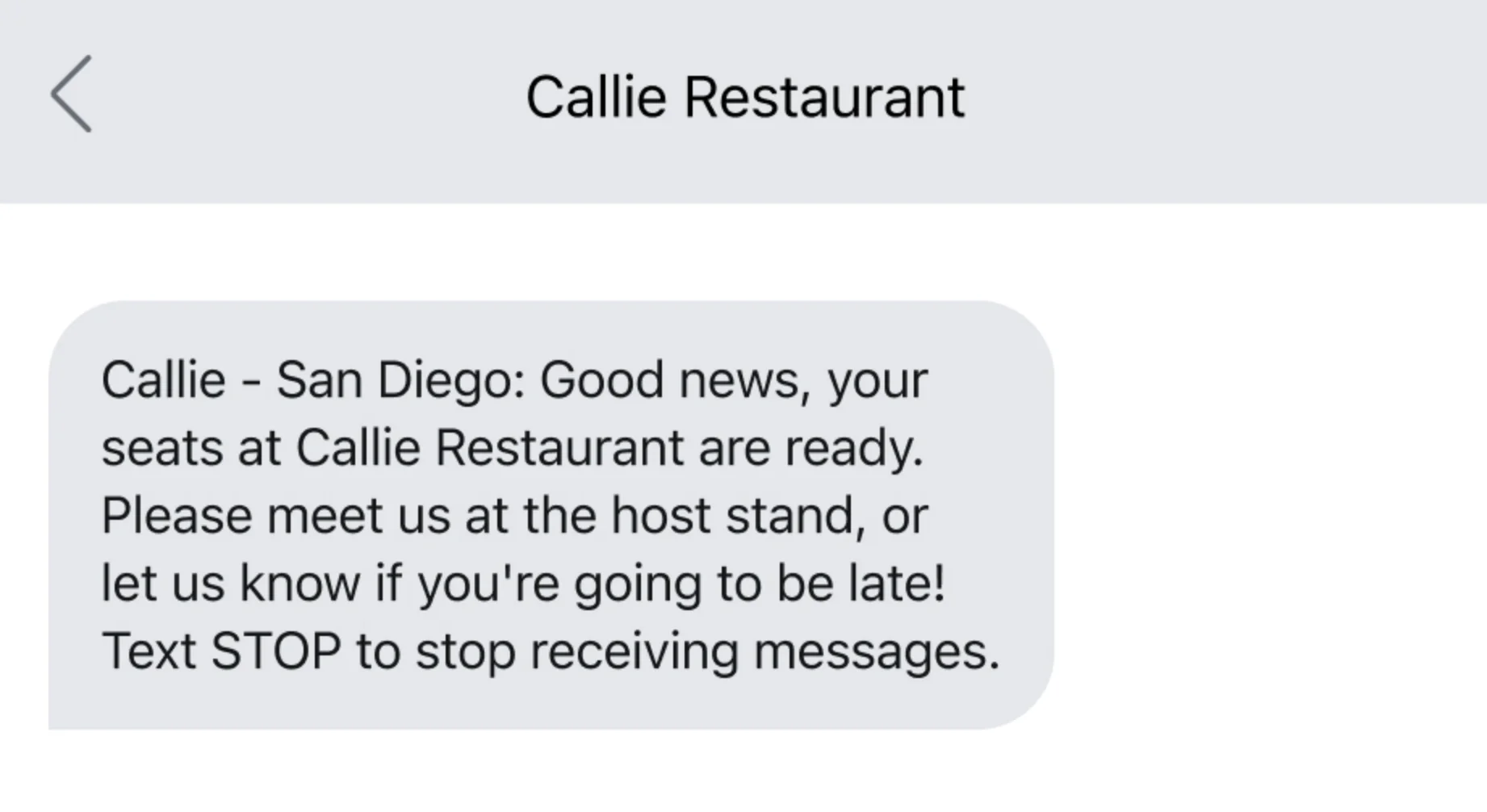
SMS is used to keep customers informed about bookings, schedules, and changes. This type of comms is very important to the industry because these businesses rely on time-sensitive, location-based communication.
It’s also helpful since customers might not have access to the internet as they travel. In hospitality and travel, transactional SMS is often used alongside email, where recipients can find the full itinerary.
Key moments in the customer journey:
- Booking stage: booking confirmation (hotel, flight, event, etc.), booking details, payment confirmation
- Pre-arrival: reminders (like check-in time), instructions
- During the experience: gate or schedule updates, service-related updates
- Changes or disruptions: delays, cancellations, rebooking confirmations
Healthcare and appointment management
Healthcare providers rely on timely, accurate communication with patients. SMS allows them to reduce missed appointments and keep patients informed.
That said, healthcare communication isn’t that simple. Like in all healthcare-related matters, providers are constantly dealing with sensitive information and strict privacy considerations, so they must ensure that they stay compliant with local regulations.
Key moments in the customer journey:
- Appointment scheduling: appointment confirmation, booking details
- Pre-appointment: reminders, instructions (such as fasting before a medical procedure)
- Changes or updates: rescheduling notifications, cancellations, delays
- Follow-up: post-visit instructions, prescription reminders, next appointment prompts
Customer support and service notifications
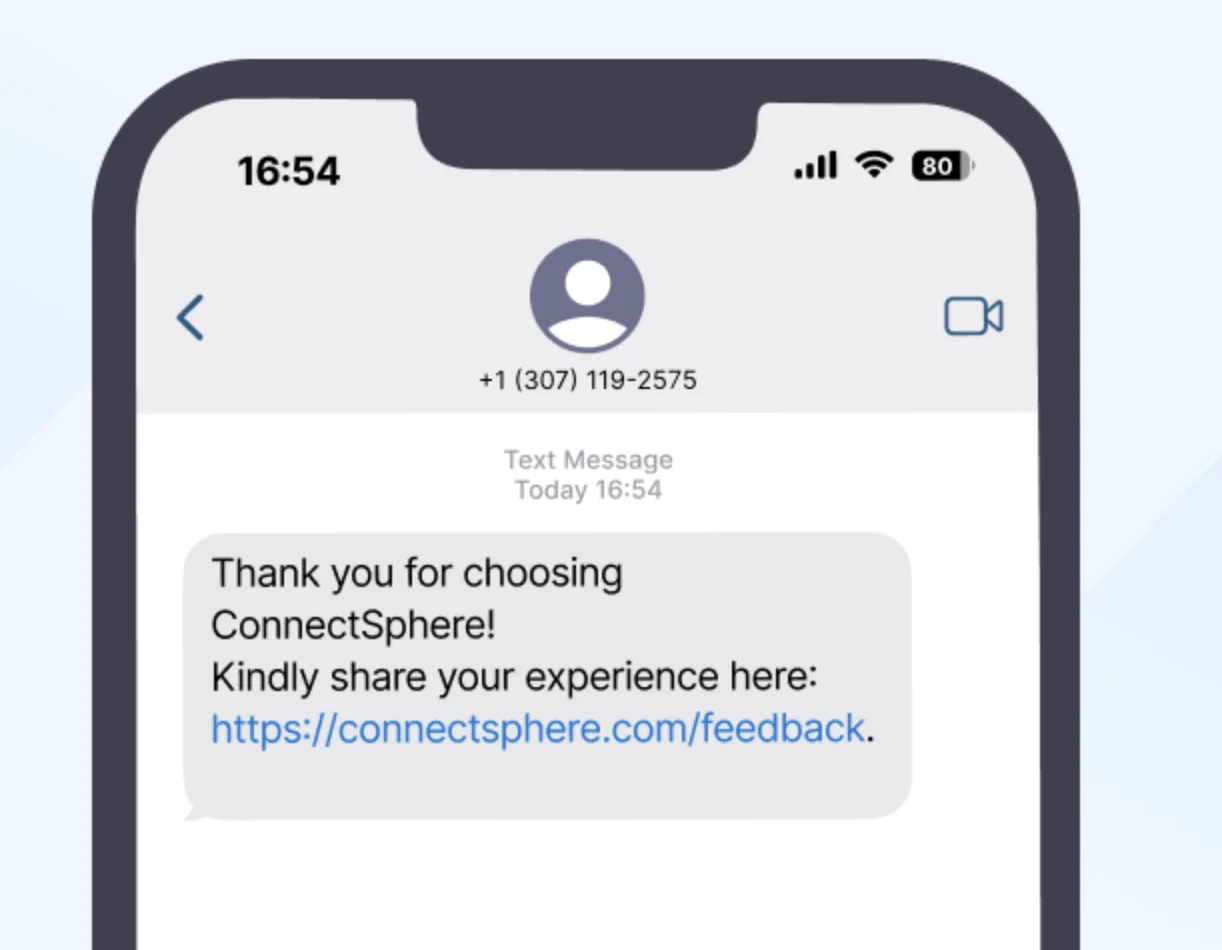
Businesses use SMS to provide timely support updates and keep customers informed throughout their interactions.
Unlike industry-specific use cases, customer support messages apply across a wide range of sectors, from e-commerce and logistics to banking and telecom. In all cases, the goal is to keep customers informed and reduce friction in the support process.
Here are a few key moments in the customer journey:
- Support requests: ticket confirmations, case numbers, status updates
- Issue resolution: resolution confirmations, next steps, follow-ups
- Service updates: outages, delays, maintenance notifications
- Account-related alerts: suspicious activity, password changes, account updates
Transactional SMS best practices
Here’s how to make sure your transactional SMS works as intended.
Keep messages clear, short, and informational
Transactional SMS should deliver only essential information.
- Use simple and direct language, avoid jargon and try to keep it concise.
- Focus on one purpose per message.
- Be sure to include key information and context.
- Avoid promotional messaging and long explanations.
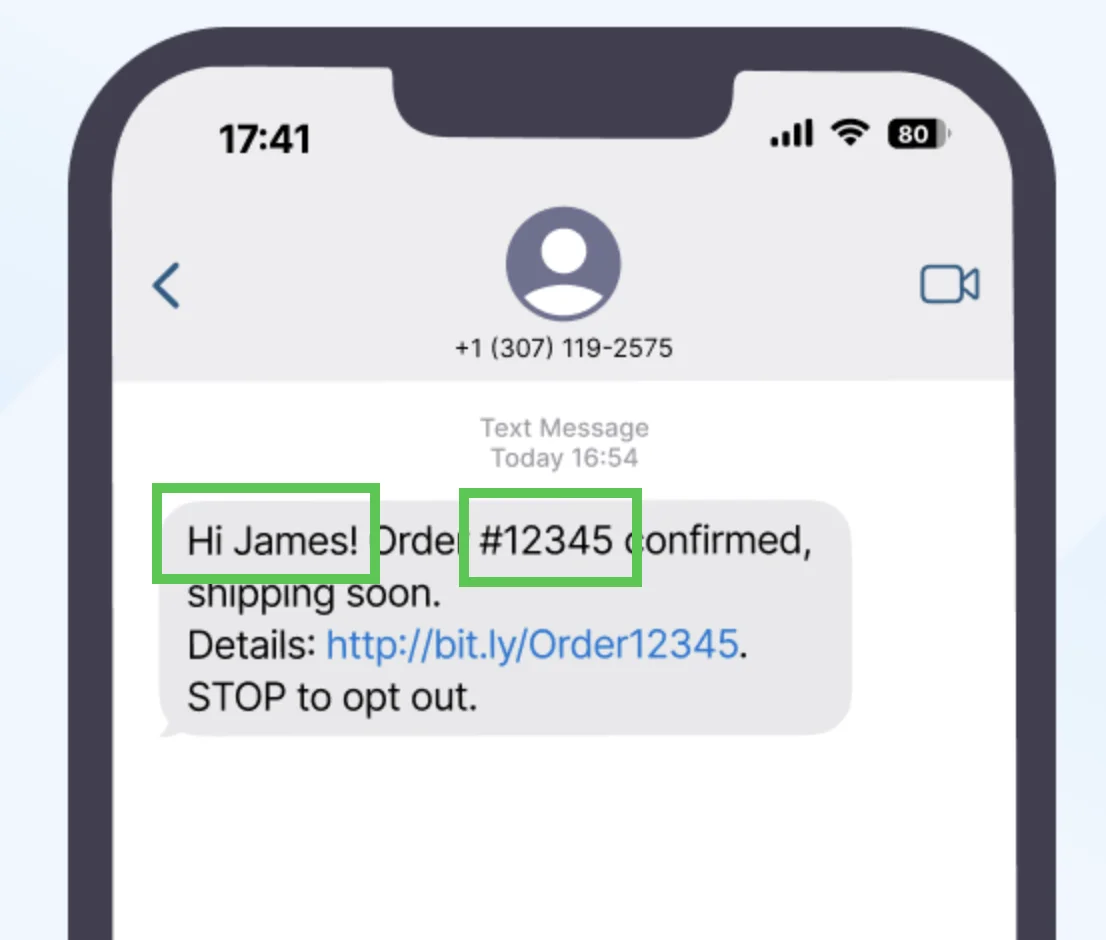
Personalize messages when possible
Personalization helps make messages more relevant and easier to understand.
When appropriate, you can address the recipient by name and include the appointment time or any other relevant details.
You don’t want to go too far with personalization in this instance — after all, it’s not a marketing message. You also don’t want to add anything that makes the message longer without adding clarity.
Send messages at the right moment
Transactional SMS should be sent immediately when an event happens. Basically, the timing of the message should align with customer expectations.
For example, if someone bought something from you, the SMS should arrive right after the purchase. An event reminder should arrive just before the event. Many of these messages are time sensitive and delays make them irrelevant.
Ensure reliable SMS delivery
Make sure critical messages actually reach the user. For this, you need a stable messaging infrastructure, correct sender setup (e.g., registered sender ID), compliance with local regulations, and accurate phone numbers.
Make sure you use trusted messaging providers, follow country-specific rules, and monitor delivery performance.
Choosing a transactional SMS provider
Here’s how to choose a reliable transactional SMS provider.
Key features to look for
Choosing a provider is about reliability, control, and ease of use. Core capabilities to watch out for:
- SMS sending and campaign management: ability to send messages to your customer base, manage message content and templates.
- Sender ID and number management: support for both alphanumeric IDs and number IDs, ability to manage sender identity across countries.
- Compliance and approval support: help with sender registration, template approval, regulatory requirements.
- Delivery reliability and coverage: stable delivery across regions, transparency about delivery metrics.
Lastly, don’t forget about usability. Make sure the provider you choose offers a simple setup and onboarding, has a clear interface and accessible customer support.

API integration and automation capabilities
Transactional SMS is most effective when it’s connected to other business systems. APIs allow different systems (apps, websites) to communicate with each other. This is what makes it possible to trigger SMS from external systems and pass relevant data like phone numbers or order details.
With automation, you don’t need to do anything manually over and over again. Just pre-define your message and your trigger. It’ll be sent automatically when the conditions are met.
Scalability and global SMS coverage
Transactional SMS needs to work consistently as message volume grows and across different regions. Scalability allows you to send lots of messages without failures or delays, especially during high peak moments like sales or whenever you’re running a promotion.
Global coverage allows you to send messages to different countries and multiple mobile operators. A good provider will have support for country-specific routing, local regulations and sender ID requirements.
FAQ about transactional SMS
Do I need user consent to send transactional SMS?
Since the recipient’s actions trigger the SMS, that means that in many cases consent is not needed. However, businesses still need to follow local regulations and make sure they have permission to contact the user.
When should businesses use transactional SMS instead of email?
SMS is better for time-sensitive messages that need to be seen immediately, whereas email works well in cases where information isn’t urgent or is longer. In some cases, it’s smart to combine both — imagine you’re working for a hotel chain. You could send booking confirmation both via SMS and email, using the former for key details and the latter for the full information.
How quickly should transactional SMS be delivered?
Ideally, you want your transactional SMS to reach the recipient immediately. Even a small delay can render it useless.
 New and noteworthy on our blog