


Key takeaways
- Email marketing is valuable for attracting and retaining customers due to high ROI and independence from social media algorithms.
- Email lead generation involves offering value upfront in exchange for email addresses.
- Benefits of email lead generation include owning your email list, segmenting subscribers, automating campaigns, and building trust.
- Steps for efficient email lead generation include identifying target audience, creating valuable offers, designing simple opt-in forms, segmenting audience, using lead scoring, personalizing emails, and sharing helpful content.
Email marketing remains one of your best bets at attracting — and retaining — customers. That’s because email is not at the mercy of changing social media algorithms. Your email subscribers are your own.
The return-on-investment (ROI) remains high, so it makes plenty of sense to use email marketing. Finally, your email subscribers are valuable because they have already expressed interest in your product or service.
In this article, we are going to talk about email lead generation, its benefits, and how it helps to attract new customers. Strap in.
What is email lead generation?
Email lead generation is the process of collecting emails from your potential customers.
The main principle is simple: you offer value upfront and ask for email addresses in return. If you ever filled out a website form before downloading a guide — or maybe took a quiz which sent the results to your email (so you had to enter one) — you’ve stumbled upon a lead generation mechanism.

What are the benefits of using email lead generation?
We’ve already mentioned some — briefly — let’s go into a bit more detail:
- You own your email list: you can always take your email subscribers’ list with you. You are not at the mercy of changing algorithms, whether it’s social media or Google’s ranking mechanisms for its search results page.
- You can segment your subscribers: people leave their emails in response to different triggers. This means people are interested in different content. So segment subscribers into interest-based lists and send campaigns accordingly. You can use other factors to segment your subscribers, of course, e.g. by demographic (age, occupation), previous interactions with your brand, etc.
- You can automate sending email campaigns: email marketing software like Selzy has email marketing automation built in. You don’t have to keep your hand on the tiller all the time — just determine which event triggers the next email in the chain.
- You foster trust with potential customers: when you send emails, you are building a foundation of trust with subscribers. Your readers know you offer value — this means they will be more likely to turn to you in the future.
Which steps should you take to make email lead generation efficient?
Don’t jump into creating free offers and asking for email signups straight away — first, you need to lay down the groundwork.
Who are you creating the offers for? How are you going to market these offers? We’ll go over the most important milestones below.
Identify your target audience
Understand who will see your offer — and where.
Someone who is browsing your website has a stronger intent than social media scrollers — because they came via a search query. They can also belong to a different demographic than your Instagram subscribers. That’s why an opt-in form/CTA on Instagram needs to be different to the one on your website/landing page.
Create a valuable offer
By “valuable” we mean an offer that solves your leads’ problems — a lack of information on a certain subject, for example. It can also be a cheatsheet on how to set up an email service provider, a guide on how to craft efficient emails, a webinar on problems marketers face.
You are doing this to gain trust and position yourself as an authority on a topic. Sure, it might not be a good idea to exchange some more time-consuming and complex products and services just for contacts, but it’s a question of investment.
Design a simple opt-in form
Take a look at this form on McKinsey’s website.
The report behind it might be great, but they went too far with their opt-in form, asking a user to sign up — and fill at least eight fields of info — before they could download the report. That might be a big turn-off: time-consuming and not necessarily worth the effort.

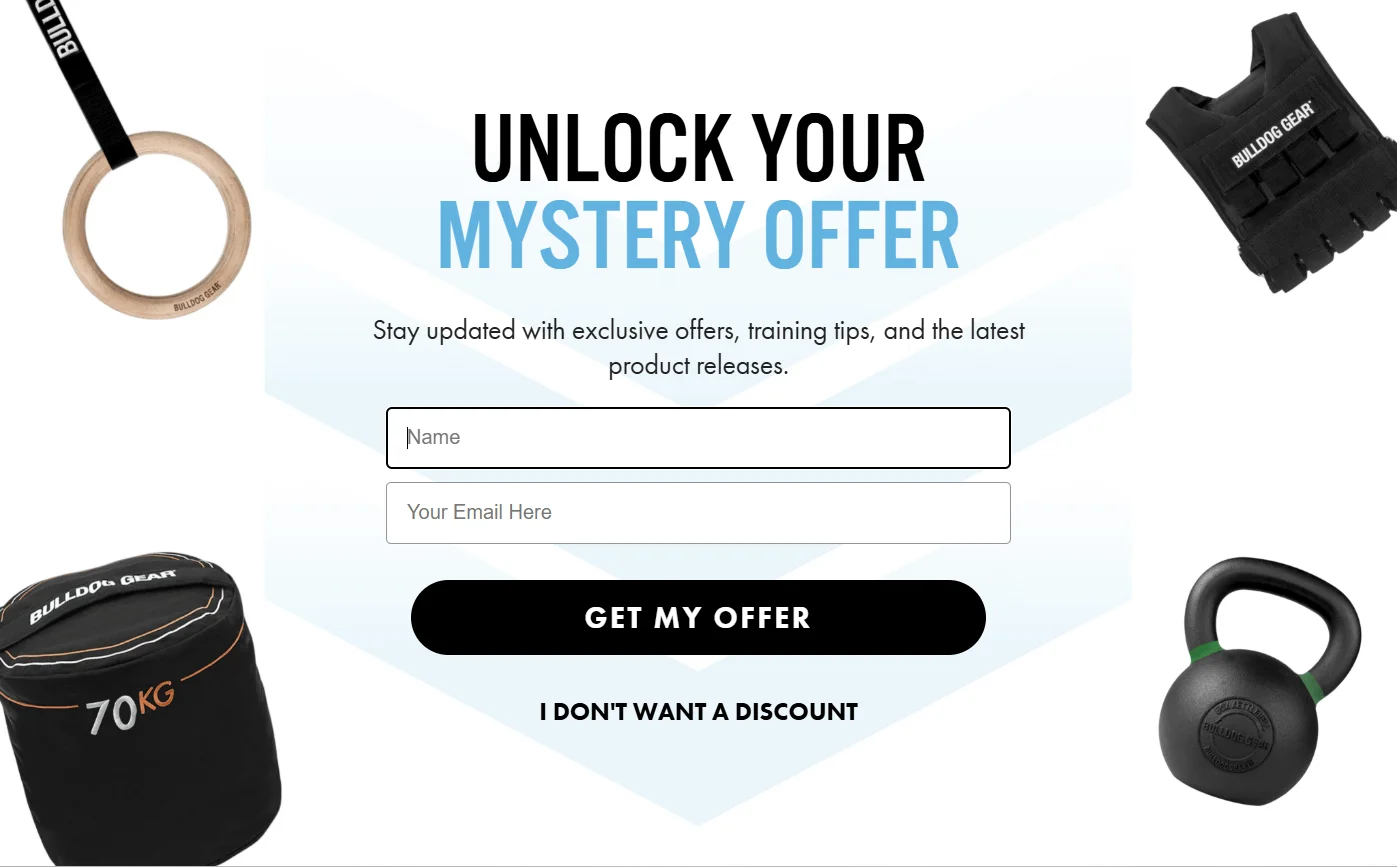
The lesson? Keep your opt-in forms to five fields or fewer, almost like a mini-game. A name and an email are basically all the contact information you need to start warming up leads. Ask one or two more questions — occupation and company will give you an even better baseline — but don’t push your luck.
Segment your audience
The details you now have — and the knowledge of how someone landed on your site — are good starting points to divide your audience into lists.
Based on the topics they were interested in and their field of work, you can make an educated guess which blogs, webinars, guides, etc. they might find helpful.
Use lead scoring to craft effective campaigns
Lead scoring answers the question “who is the most likely to eventually require the paid services we offer?” This allows you to further segment your email subscribers and craft more nuanced mailing lists. This approach is also known as account-based marketing (ABM).
Once you have a rough idea of what your subscribers are looking for, you can craft separate drip campaigns for each segment — designed to eventually nurture your leads into customers.
Personalize your emails
Analyze subscribers’ behavior, their interactions with your brand, what interests them.
Remember that an email should feel personal, too: although you are sending out a mass email, each of your subscribers will read it on their own. They should get the feeling you are talking directly to them, addressing their interests and pain points. We’ll go over efficient email crafting anon.
Share helpful content in a timely fashion
The underlying base principle of successful marketing campaigns: send emails that will help your subscribers at their time of need. Drip campaigns will help you automate things a little bit — you can set them up using Selzy, for example. Some email service providers offer the “optimal sending time” feature too.

Don’t bombard your readers — and don’t offer them paid services too soon. Provide value upfront, then gently remind them you can help in more ways than one.
A/B test your emails
You’re unlikely to hit the sweet spot with every email you send. Some will get fewer opens, clicks and general engagement. That’s not the end of the world — that’s information you can work with.
If something doesn’t click, try something else. Test different subject lines with your audience, move the CTA higher/lower, adjust the copy’s tone or length. Try a different layout, ensure the one you offer is mobile-friendly. But only change one thing at a time — to nail down the issue.
Analyze results and iterate
That rings true both for A/B testing results and how your email campaigns perform overall. If you are not gathering email addresses at a rate that corresponds with the goals you’ve set, look at your opt-in forms/CTA. Are they simple enough to complete? How can you get more eyeballs on them?
The same goes for email campaigns. Revise your audience segments, closely look at whether the content you provide has value, optimize the frequency of emails.
How you can design emails for better lead generation
And now, the emails themselves. Which elements can you look at to make your emails valuable to your readers?
Test out different subject lines
That’s the first thing your readers see when they open their inboxes. There are different ways to approach crafting a good subject line. As a rule, it should:
- Get your readers to open the email — treat the subject line as the first sentence of your copy.
- Spark curiosity, tease value or make a promise — and deliver.
- Be concise to show up well on mobile devices. Ideally, keep it under 45 symbols.
- Include a number or an emoji. That’s optional, though, but both are proven ways to attract attention.
Adjust the copy of the email
A good rule of thumb is keeping all the info — or at least the important info — in one scroll. Attention spans are short, especially if someone’s browsing on mobile.
However, if you can’t do that, don’t fret: it’s not a one-size-fits-all approach. For example, educational or entertaining emails are generally longer and that’s alright: people drop in to spend a little more time.
Just stick to your tone of voice, break up the copy in paragraphs (each just 2-3 sentences) and provide space for the eyes to rest. Play around with the optimal length based on how far people scroll.
Include visual elements
Images, charts or short videos tell a story themselves. They also break up the text and can provide value as standalone pieces.
Just make sure these visual elements are optimized for mobile (more on this later) and don’t contain vital info — in case they don’t load. Aim to provide alt text for every image to that end as well.

Think about the CTA
Your email should contain only one — not to confuse your readers. It can pop up in several places in the email, but it should be consistent. A few other important considerations:
- Craft a clear CTA: people don’t want to think too hard about what you want them to do.
- Don’t make the CTA feel like work: e.g., “fill out a form” is both unclear (how long is this form?) and laborious (the reader needs to click the CTA, go to a site, fill out something).
- Instead, tease the benefit or use urgency to leverage FOMO, e.g., “Save your seat” (benefit) or “Only 3 left — books yours now” (fear of missing out).
- Design a thumb-friendly CTA: a lot of people will be opening and scrolling your email from a smartphone.
Make emails mobile-friendly
We’ve already mentioned some of those mobile-friendly pointers. Let’s round them up — and add some other important bits:
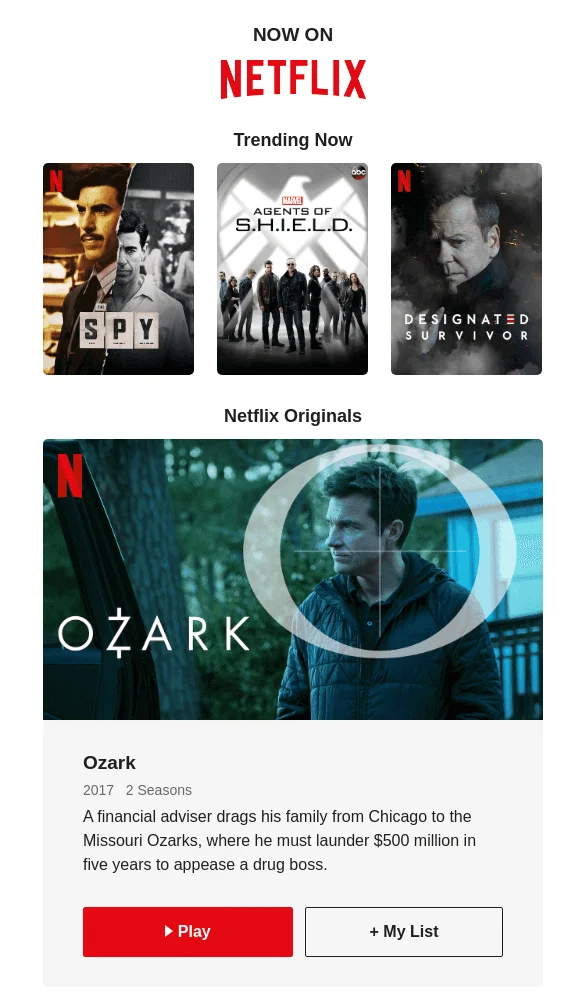
- Use a single-column layout so that emails will render correctly on smaller screens.
- Consider how the email will look in dark mode — some will open it this way.
- Compress the images — big images have a lower chance of loading and will eat up more mobile data.
- Make CTAs thumb-friendly.

Wrapping up
Email lead generation is all about building your subscriber list, bonding with your readers — and then nurturing them into customers. Email lead generation has several notable upsides:
- Owning your email list
- Segmenting your audience
- Automating email sending
- Building trust with your readers
Generating leads efficiently takes a couple of things. Create value with your offers, craft simple opt-in forms, personalize email campaigns based on audience segments — and then analyze the results.
You can make the emails themselves stand out by coming up with punchy subject lines, tweaking the copy’s tone and rhythm, leaning into visual elements and making the experience mobile-friendly. We hope we’ve given you enough to go on above.
 New and noteworthy on our blog
